Looking for a good stock broker in India? This guide covers key factors, brokerage charges, trading platforms, account types, and research tools to help you cho
Looking for a good stock broker in india? This guide covers key factors, brokerage charges, trading platforms, account types, and research tools to help you choose the best for your investment needs.
Find the Best Stock Broker in India for Your Investment Goals
Introduction: Navigating the Indian Stock Market Landscape
The Indian stock market, fueled by the dynamism of the Bombay Stock Exchange (BSE) and the National Stock Exchange (NSE), offers a plethora of opportunities for investors. Whether you’re a seasoned trader or just starting your investment journey with small SIPs in equity mutual funds, choosing the right stock broker is a critical decision. A good stock broker can provide you with the tools, resources, and support needed to navigate the market effectively and achieve your financial goals.
This comprehensive guide will explore the key factors to consider when selecting a stock broker in India, helping you make an informed decision and find the brokerage that best suits your specific needs and investment style.
Understanding Your Investment Needs and Goals
Before diving into the specifics of different brokers, it’s crucial to define your own investment profile. Ask yourself the following questions:
- What are your investment goals? Are you saving for retirement, a down payment on a house, or simply seeking long-term wealth creation?
- What is your risk tolerance? Are you comfortable with high-risk, high-reward investments, or do you prefer a more conservative approach?
- What is your trading frequency? Are you a day trader, a swing trader, or a long-term investor?
- What type of investment products are you interested in? Do you want to trade stocks, derivatives (futures and options), commodities, or invest in mutual funds and IPOs?
- What is your budget for brokerage fees? Are you looking for a low-cost broker, or are you willing to pay more for premium services and research?
Answering these questions will help you narrow down your options and focus on brokers that cater to your specific needs.
Key Factors to Consider When Choosing a Stock Broker
Several factors play a crucial role in determining the suitability of a stock broker. Here’s a detailed look at the most important ones:
1. Brokerage Charges and Fees
Brokerage charges are the fees you pay to your broker for executing trades. These fees can significantly impact your overall returns, especially for frequent traders. There are primarily two types of brokerage structures:
- Percentage-based brokerage: The broker charges a percentage of the transaction value. This model is becoming less common, especially among discount brokers.
- Flat-fee brokerage: The broker charges a fixed fee per trade, regardless of the transaction value. This is the more prevalent model nowadays, particularly for online brokers.
Compare the brokerage charges of different brokers carefully, considering your trading frequency and transaction size. Also, be aware of other potential fees, such as account maintenance fees, dematerialization fees, and call-and-trade charges.
2. Trading Platform and User Experience
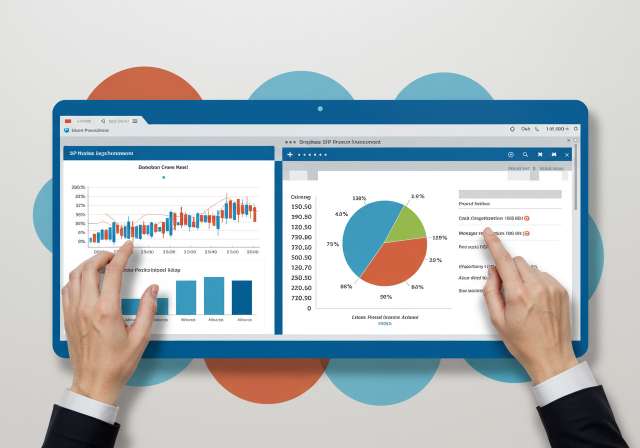
The trading platform is your primary interface with the stock market. A good trading platform should be user-friendly, reliable, and feature-rich. Look for the following features:
- Real-time market data: Access to live stock prices, charts, and news.
- Advanced charting tools: Technical analysis indicators, drawing tools, and customizable charts.
- Order placement options: Different order types, such as market orders, limit orders, and stop-loss orders.
- Mobile trading app: Ability to trade on the go from your smartphone or tablet.
- User-friendly interface: Intuitive navigation and a clear presentation of information.
Many brokers offer demo accounts that allow you to test out their trading platforms before opening a real account. Take advantage of these opportunities to find a platform that you’re comfortable with.
3. Account Types and Features
Brokers offer different types of trading accounts to suit various needs. Common account types include:
- Trading account: Used for buying and selling stocks, derivatives, and other securities.
- Demat account: Holds your shares in electronic form.
- Integrated account: Combines trading and demat accounts for seamless transactions.
- NRI account: Designed for non-resident Indians to invest in the Indian stock market.
Consider the features offered with each account type, such as margin trading, IPO application facilities, and access to research reports.
4. Research and Advisory Services
High-quality research and advisory services can provide valuable insights and help you make informed investment decisions. Look for brokers that offer:
- Fundamental analysis reports: Analysis of company financials, industry trends, and economic factors.
- Technical analysis reports: Identification of trading opportunities based on chart patterns and technical indicators.
- Investment recommendations: Buy, sell, and hold recommendations based on expert analysis.
- Educational resources: Webinars, articles, and tutorials on investing and trading.
Remember that research and advisory services are not a guarantee of profit, but they can be a valuable tool for enhancing your investment knowledge and decision-making process.
5. Customer Support
Reliable customer support is essential, especially when you encounter technical issues or have questions about your account. Look for brokers that offer multiple channels of support, such as:
- Phone support: Direct access to a customer service representative.
- Email support: Ability to submit queries and receive responses via email.
- Live chat support: Real-time assistance through online chat.
- FAQ section: A comprehensive collection of frequently asked questions and answers.
Test the customer support of different brokers before opening an account to ensure that they are responsive and helpful.
6. Security and Regulation
Security is paramount when choosing a stock broker. Ensure that the broker is regulated by the Securities and Exchange Board of India (SEBI) and adheres to strict security protocols. Check for the following:
- SEBI registration: Verify that the broker is registered with SEBI and has a valid license.
- Data encryption: Ensure that the broker uses encryption technology to protect your personal and financial information.
- Two-factor authentication: Enable two-factor authentication to add an extra layer of security to your account.
- Segregation of funds: Confirm that the broker segregates client funds from its own funds to protect your assets in case of bankruptcy.
A reputable broker will prioritize the security of your funds and personal information.
Types of Stock Brokers in India
The Indian stock brokerage industry is broadly categorized into two main types:
1. Full-Service Brokers
Full-service brokers offer a wide range of services, including research, advisory, portfolio management, and personalized customer support. They typically charge higher brokerage fees than discount brokers. Examples include traditional brokerage houses like ICICI Direct, HDFC Securities, and Kotak Securities. They are a good option for investors who need assistance with investment decisions and prefer a personalized approach.
2. Discount Brokers
Discount brokers offer basic trading services at significantly lower brokerage fees. They typically do not provide research, advisory, or personalized support. Examples include Zerodha, Upstox, and Angel Broking. They are a good option for experienced traders who are comfortable making their own investment decisions and are looking for a low-cost trading platform. Finding a good stock broker in India often comes down to balancing cost with the services you need.
Popular Investment Options Through Stock Brokers
Once you’ve chosen a broker, you can access a variety of investment options through their platform:
- Equity Shares: Investing in individual stocks listed on the NSE and BSE.
- Mutual Funds: Investing in diversified portfolios managed by professional fund managers. You can invest through SIPs (Systematic Investment Plans) or lump-sum investments.
- Initial Public Offerings (IPOs): Investing in new companies listing on the stock exchanges.
- Derivatives (Futures and Options): Trading contracts based on underlying assets, offering leveraged trading opportunities.
- Exchange Traded Funds (ETFs): Investing in baskets of stocks or bonds that track specific indices or sectors.
- Sovereign Gold Bonds (SGBs): Investing in gold in paper form, issued by the Reserve Bank of India (RBI).
You can also invest in government schemes like the Public Provident Fund (PPF) and the National Pension System (NPS) through some brokers, although these are typically offered through banks or dedicated platforms.
Opening a Trading and Demat Account
The process of opening a trading and demat account is typically straightforward and can be done online. You will need to provide the following documents:
- Proof of Identity (POI): PAN card, Aadhaar card, passport, or voter ID card.
- Proof of Address (POA): Aadhaar card, passport, utility bill, or bank statement.
- Bank Account Proof: Cancelled cheque or bank statement.
- Passport-sized photographs.
The broker will verify your documents and activate your account within a few days. You can then deposit funds into your trading account and start investing.
Conclusion: Making an Informed Decision
Choosing the right stock broker in India is a crucial step towards achieving your financial goals. By carefully considering your investment needs, comparing different brokers, and evaluating their services and fees, you can find a broker that suits your specific requirements and helps you navigate the Indian stock market with confidence. Remember to prioritize security, customer support, and a user-friendly trading platform to ensure a positive investment experience. Good luck with your investment journey!