Tag: stock trading

  • Intraday Trading: A Beginner’s Guide for Indian Investors

    Intraday Trading: A Beginner’s Guide for Indian Investors

    Unlock the secrets of intraday trading in India! Learn strategies, risks, and crucial tips for navigating the NSE & BSE. Discover if this high-risk, high-reward

    Unlock the secrets of intraday trading in India! Learn strategies, risks, and crucial tips for navigating the NSE & BSE. Discover if this high-risk, high-reward game is for you and how to potentially profit.

    Intraday Trading: A Beginner’s Guide for Indian Investors

    What is Intraday Trading? Understanding the Basics

    The Indian stock market offers various ways to participate and potentially profit. One of the most dynamic, and often misunderstood, approaches is intraday trading. Unlike positional trading or investing, where you hold assets for days, weeks, or even years, intraday trading involves buying and selling stocks (or other instruments) within the same trading day. The goal is to capitalize on small price fluctuations and close all positions before the market closes, typically at 3:30 PM on the NSE (National Stock Exchange) and BSE (Bombay Stock Exchange).

    This means you start with zero holdings at the beginning of the day and aim to end with zero holdings. Profit or loss is determined by the difference between your buying and selling prices, minus any brokerage fees and taxes.

    The Allure of Intraday Trading: Why is it Popular?

    Several factors contribute to the popularity of intraday trading, despite its inherent risks:

    • Potential for Quick Profits: The prospect of generating substantial returns in a single day is a significant draw. If executed well, even small price movements can translate into sizable profits, especially when leveraging margin.
    • No Overnight Risk: Since all positions are closed before the market closes, traders are not exposed to overnight risks, such as negative news affecting stock prices while the market is closed.
    • Leverage: Brokers typically offer margin facilities for intraday traders, allowing them to trade with a larger capital than they actually possess. This amplifies both profits and losses.
    • Flexibility: Intraday trading offers flexibility, allowing traders to adapt to changing market conditions and pursue opportunities as they arise.
    • Availability of Information: The rise of online trading platforms and readily available market data has made intraday trading more accessible to individual investors.

    The Risks of Intraday Trading: A Word of Caution

    While the potential rewards are tempting, it’s crucial to understand the significant risks associated with intraday trading:

    • High Risk: Intraday trading is inherently risky due to the rapid price fluctuations and the use of leverage. Even small miscalculations can lead to substantial losses.
    • Time Commitment: Successful intraday trading requires a significant time commitment. Traders need to monitor the market closely throughout the day, analyze charts, and execute trades quickly.
    • Emotional Discipline: Intraday trading demands strong emotional discipline. Fear and greed can lead to impulsive decisions, resulting in losses.
    • Requires Extensive Knowledge: A thorough understanding of technical analysis, market dynamics, and risk management is essential for successful intraday trading.
    • Brokerage Costs: Frequent trading can lead to high brokerage costs, eating into potential profits.

    Essential Strategies for Intraday Trading

    If you’re considering intraday trading, implementing a well-defined strategy is crucial. Here are some popular strategies employed by Indian traders:

    1. Technical Analysis: Charting Your Course

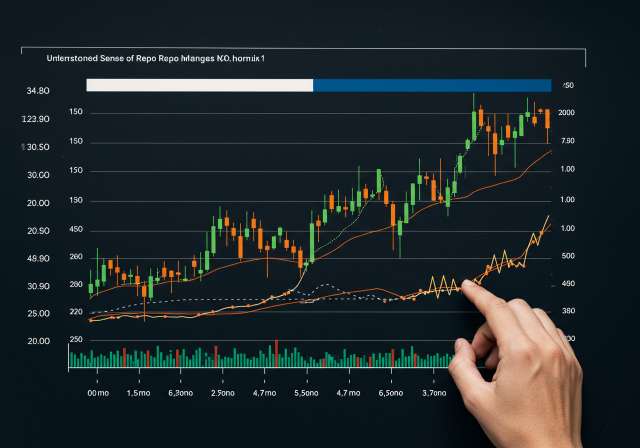
    Technical analysis involves studying historical price charts and using various indicators to identify patterns and predict future price movements. Common technical indicators include:

    • Moving Averages: Used to identify trends and potential support/resistance levels.
    • Relative Strength Index (RSI): Measures the magnitude of recent price changes to evaluate overbought or oversold conditions in the price of a stock or other asset.
    • MACD (Moving Average Convergence Divergence): A trend-following momentum indicator that shows the relationship between two moving averages of a security’s price.
    • Bollinger Bands: Measure the volatility of a stock’s price and can indicate potential breakout or breakdown points.

    2. News-Based Trading: Riding the Wave of Information

    This strategy involves capitalizing on the price movements triggered by news events, such as earnings announcements, economic data releases, or company-specific news. Traders need to be quick to react to news and execute trades accordingly.

    3. Scalping: Grabbing Small Profits

    Scalping involves making numerous small trades throughout the day to capture tiny price movements. This strategy requires high trading frequency and tight stop-loss orders.

    4. Trend Following: Riding the Trend

    This strategy involves identifying and trading in the direction of the prevailing trend. Traders use technical indicators and chart patterns to identify trends and enter positions accordingly.

    5. Breakout Trading: Catching the Surge

    Breakout trading involves identifying price levels that have acted as resistance or support and entering a trade when the price breaks through these levels. This strategy assumes that the price will continue to move in the direction of the breakout.

    Key Considerations Before Diving In

    Before venturing into intraday trading, carefully consider the following:

    • Risk Tolerance: Are you comfortable with the high risk involved? Intraday trading is not suitable for risk-averse individuals.
    • Capital Allocation: Only allocate capital that you can afford to lose. Never invest money needed for essential expenses.
    • Trading Platform: Choose a reliable trading platform with real-time data, advanced charting tools, and fast execution speeds. Reputable brokers in India include Zerodha, Upstox, Angel One, and ICICI Direct.
    • Trading Plan: Develop a detailed trading plan that outlines your strategies, risk management rules, and entry/exit criteria.
    • Education and Training: Invest time in learning about technical analysis, market dynamics, and risk management. Consider taking online courses or attending workshops.
    • Discipline and Patience: Intraday trading requires discipline and patience. Avoid impulsive decisions and stick to your trading plan.

    Risk Management: Protecting Your Capital

    Effective risk management is paramount in intraday trading. Here are some essential risk management techniques:

    • Stop-Loss Orders: Always use stop-loss orders to limit potential losses. A stop-loss order automatically closes your position if the price moves against you beyond a certain level.
    • Position Sizing: Determine the appropriate position size for each trade based on your risk tolerance and capital. Avoid over-leveraging your account.
    • Risk-Reward Ratio: Aim for a favorable risk-reward ratio. Ideally, you should only take trades where the potential profit is greater than the potential loss.
    • Diversification (Across Intraday Trades is Limited): While diversification across different asset classes isn’t applicable in a single day, consider diversifying your intraday trades across different stocks or indices to reduce exposure to a single event.

    Intraday Trading vs. Other Investment Options

    It’s important to understand how intraday trading differs from other investment options available in India:

    • Mutual Funds: Mutual funds are professionally managed investment schemes that pool money from multiple investors to invest in a diversified portfolio of stocks, bonds, or other assets. They are a less risky option than intraday trading, suitable for long-term wealth creation. Consider options like Equity Linked Savings Schemes (ELSS) for tax benefits under Section 80C of the Income Tax Act.
    • SIPs (Systematic Investment Plans): SIPs allow investors to invest a fixed amount of money in a mutual fund at regular intervals. This helps to average out the cost of investment and reduce risk. SIPs are ideal for long-term goals such as retirement planning.
    • PPF (Public Provident Fund): PPF is a government-backed savings scheme offering tax benefits and guaranteed returns. It’s a safe and reliable option for long-term savings.
    • NPS (National Pension System): NPS is a retirement savings scheme that allows investors to build a retirement corpus through contributions made during their working years. It offers tax benefits and flexibility in investment options.
    • Equity Markets (Long-Term Investing): Investing in equities for the long term, based on fundamental analysis and a buy-and-hold strategy, is generally considered less risky than intraday trading. This approach focuses on the long-term growth potential of companies.

    The Role of SEBI

    The Securities and Exchange Board of India (SEBI) is the regulatory authority for the Indian stock market. SEBI’s primary objective is to protect the interests of investors and ensure the integrity of the market. SEBI has implemented various regulations to govern intraday trading, including margin requirements and risk management guidelines. Investors should be aware of these regulations and comply with them.

    Is Intraday Trading Right for You?

    Intraday trading is not for everyone. It requires a combination of knowledge, skill, discipline, and risk tolerance. Before engaging in intraday trading, carefully assess your financial situation, risk appetite, and time commitment. If you’re unsure, consider starting with smaller positions and gradually increasing your trading volume as you gain experience. Always remember to prioritize risk management and protect your capital.

    Successful intraday trading requires continuous learning, adaptation, and a commitment to mastering the art of navigating the dynamic Indian stock market. It’s a high-risk, high-reward endeavor that demands respect and a disciplined approach.

  • Decoding the Indian Equity Market: A Comprehensive Guide

    Decoding the Indian Equity Market: A Comprehensive Guide

    Unlock India’s economic heartbeat! Understand the Bombay Stock Exchange’s history, listing process, indices (Sensex), trading, & regulations. Navigate the India

    Unlock India’s economic heartbeat! Understand the Bombay Stock Exchange’s history, listing process, indices (Sensex), trading, & regulations. Navigate the Indian equity market confidently and build wealth. Learn about IPOs, mutual funds, and smart investment strategies.

    Decoding the Indian Equity Market: A Comprehensive Guide

    Introduction: Your Gateway to Understanding the Indian Stock Market

    The Indian stock market, a dynamic and ever-evolving landscape, offers a multitude of opportunities for investors seeking to grow their wealth. Understanding its nuances is crucial for making informed investment decisions. This guide aims to provide a comprehensive overview of the Indian equity market, focusing on its key players, instruments, and regulations.

    The Pillars of Indian Finance: NSE, bse, and SEBI

    The Indian financial system rests on three key pillars: the National Stock Exchange (NSE), the Bombay Stock Exchange (BSE), and the Securities and Exchange Board of India (SEBI). The NSE and BSE are the primary stock exchanges where securities are traded, while SEBI acts as the regulator, ensuring fair and transparent market practices.

    The National Stock Exchange (NSE)

    The NSE is India’s leading stock exchange, known for its modern technology and wide reach. It offers trading in various segments, including equity, derivatives, debt, and currency. The Nifty 50, a benchmark index representing the top 50 companies listed on the NSE, is widely tracked by investors as a gauge of market performance.

    The Securities and Exchange Board of India (SEBI)

    SEBI plays a crucial role in regulating the Indian securities market. Its primary objective is to protect the interests of investors, promote the development of the securities market, and regulate its functioning. SEBI sets rules and regulations for listed companies, brokers, mutual funds, and other market participants to ensure fair play and prevent fraudulent activities.

    Navigating the Stock Exchanges: A Step-by-Step Guide

    Investing in the stock market can seem daunting at first, but with a clear understanding of the process, it becomes more manageable. Here’s a step-by-step guide to help you navigate the Indian stock exchanges:

    1. Open a Demat and Trading Account: You’ll need a Demat account to hold your shares in electronic form and a trading account to buy and sell securities. Choose a reputable broker registered with SEBI.
    2. Complete KYC (Know Your Customer) formalities: Brokers are required to verify your identity and address to comply with regulatory requirements.
    3. Fund your Trading Account: Transfer funds from your bank account to your trading account.
    4. Research and Choose Stocks: Conduct thorough research before investing in any stock. Analyze the company’s financials, industry trends, and growth prospects.
    5. Place your Order: Use your trading account to place buy or sell orders. You can choose between different order types, such as market orders (executed at the current market price) and limit orders (executed at a specific price).
    6. Monitor your Investments: Regularly track the performance of your investments and make adjustments as needed.

    Understanding Market Indices: Sensex and Nifty 50

    Market indices are vital tools for understanding the overall performance of the stock market. In India, the two most prominent indices are the Sensex and the Nifty 50. These indices provide a snapshot of the market’s direction and are widely used by investors to benchmark their portfolio performance.

    Sensex: The Barometer of the Indian Economy

    The Sensex, short for Sensitive Index, tracks the performance of 30 of the largest and most actively traded companies listed on the bse. It is considered a barometer of the Indian economy and is widely followed by investors worldwide.

    Nifty 50: A Comprehensive Representation of the Market

    The Nifty 50, as mentioned earlier, represents the top 50 companies listed on the NSE. It is a more diversified index compared to the Sensex and provides a broader view of the Indian equity market.

    Investment Options: Beyond Direct Equity

    While direct equity investment is a popular choice, there are other investment options available in the Indian market that cater to different risk appetites and financial goals.

    Mutual Funds: Professional Money Management

    Mutual funds pool money from multiple investors and invest in a diversified portfolio of stocks, bonds, and other securities. They are managed by professional fund managers who aim to generate returns for investors. Mutual funds are a convenient option for those who lack the time or expertise to manage their own investments.

    Types of Mutual Funds

    • Equity Funds: Invest primarily in stocks and offer the potential for high returns, but also carry higher risk.
    • Debt Funds: Invest in fixed-income securities such as bonds and offer relatively lower returns but are less risky than equity funds.
    • Hybrid Funds: Invest in a mix of stocks and bonds, offering a balance between risk and return.

    Systematic Investment Plan (SIP): Investing Regularly for Long-Term Growth

    A SIP is a method of investing a fixed amount of money in a mutual fund at regular intervals, typically monthly. SIPs are a disciplined approach to investing and help to average out the cost of investment over time. They are particularly beneficial for long-term goals such as retirement planning.

    Equity Linked Savings Scheme (ELSS): Tax-Saving Investment Option

    ELSS funds are equity mutual funds that offer tax benefits under Section 80C of the Income Tax Act. They have a lock-in period of three years, which is the shortest among all tax-saving investment options. ELSS funds are a popular choice for investors looking to save on taxes while also growing their wealth.

    Public Provident Fund (PPF): A Safe and Reliable Investment

    PPF is a government-backed savings scheme that offers a fixed interest rate and tax benefits. It has a lock-in period of 15 years, but partial withdrawals are allowed after seven years. PPF is a safe and reliable investment option for long-term goals such as retirement and children’s education.

    National Pension System (NPS): Retirement Planning Made Easy

    NPS is a voluntary retirement savings scheme that allows individuals to build a retirement corpus over time. It offers a mix of equity and debt investments and is regulated by the Pension Fund Regulatory and Development Authority (PFRDA). NPS also offers tax benefits under Section 80C and Section 80CCD of the Income Tax Act.

    Initial Public Offerings (IPOs): Investing in Emerging Companies

    An IPO is the first time a private company offers its shares to the public. Investing in IPOs can be lucrative, but it also carries a high level of risk. It’s essential to carefully evaluate the company’s prospects and financials before investing in an IPO.

    Understanding Risks and Rewards

    Investing in the stock market involves both risks and rewards. It’s crucial to understand these factors before making any investment decisions. The potential for high returns is accompanied by the risk of losing money. The level of risk depends on the type of investment, the company’s performance, and the overall market conditions.

    Risk Factors

    • Market Risk: The risk of losing money due to fluctuations in the overall market.
    • Company-Specific Risk: The risk of losing money due to the poor performance of a specific company.
    • Liquidity Risk: The risk of not being able to sell your investments quickly at a fair price.

    Mitigating Risks

    • Diversification: Investing in a variety of assets to reduce the risk of loss.
    • Research and Due Diligence: Thoroughly researching companies and investments before investing.
    • Long-Term Perspective: Taking a long-term view and avoiding impulsive decisions based on short-term market fluctuations.
    • Financial Advisor Consultation: Seeking advice from a qualified financial advisor.

    Regulatory Framework and Investor Protection

    SEBI plays a vital role in protecting investors and ensuring fair market practices. It has implemented various measures to safeguard investors’ interests, including strict regulations for listed companies, brokers, and mutual funds. SEBI also provides a mechanism for investors to lodge complaints and seek redressal for grievances.

    Conclusion: Empowering Your Financial Journey

    The Indian equity market offers a wealth of opportunities for investors to grow their wealth. By understanding the key players, instruments, and regulations, you can navigate the market confidently and make informed investment decisions. Remember to conduct thorough research, diversify your investments, and seek professional advice when needed. With a disciplined approach and a long-term perspective, you can achieve your financial goals and secure your future.

  • Decoding the Indian Stock Market: A Deep Dive into NSE

    Decoding the Indian Stock Market: A Deep Dive into NSE

    Navigate the Indian stock market with ease! This comprehensive guide unlocks the secrets of the National Stock Exchange (NSE), empowering you to make informed i

    Navigate the Indian stock market with ease! This comprehensive guide unlocks the secrets of the National Stock Exchange (nse), empowering you to make informed investment decisions and grow your wealth.

    Decoding the Indian Stock Market: A Deep Dive into NSE

    Understanding the Indian Stock Market Landscape

    The Indian stock market is a vibrant and dynamic ecosystem, crucial for capital formation and economic growth. It serves as a platform where companies can raise capital by issuing shares to the public, and investors can participate in the growth of these companies. Understanding the key players and regulations is essential for anyone looking to invest in the Indian markets.

    Key Participants in the Indian Stock Market

    • SEBI (Securities and Exchange Board of India): The regulatory body responsible for overseeing and regulating the Indian stock market. SEBI’s primary objective is to protect the interests of investors and ensure fair and transparent market practices.
    • Stock Exchanges: Platforms where securities (stocks, bonds, derivatives) are bought and sold. The two primary stock exchanges in India are the Bombay Stock Exchange (BSE) and the National Stock Exchange (NSE).
    • Depositories: Institutions that hold securities in electronic form, facilitating efficient and secure trading. Examples include NSDL (National Securities Depository Limited) and CDSL (Central Depository Services (India) Limited).
    • Brokers: Intermediaries who execute buy and sell orders on behalf of investors. They provide access to the stock exchanges and offer research and advisory services.
    • Investors: Individuals, institutions, and foreign portfolio investors (FPIs) who invest in the stock market with the goal of generating returns.

    What is the National Stock Exchange (NSE)?

    The National Stock Exchange (NSE) is one of the leading stock exchanges in India, established in 1992. It has played a pivotal role in modernizing the Indian stock market and bringing greater transparency and efficiency to trading. The NSE is known for its electronic trading platform, which offers speed and reliability.

    Key Features of the NSE

    • Electronic Trading: The NSE pioneered electronic trading in India, which significantly improved efficiency and reduced trading costs.
    • Wide Range of Products: The NSE offers a wide range of products, including equities, derivatives, exchange-traded funds (ETFs), and debt instruments.
    • Index-Based Trading: The NSE is home to the NIFTY 50 index, which is a benchmark index representing the top 50 companies listed on the exchange. This index is widely used for tracking the performance of the Indian stock market and for index-based trading.
    • Market Capitalization: The NSE boasts a significant market capitalization, reflecting the value of the companies listed on the exchange.
    • Transparency and Regulation: The NSE operates under the strict supervision of SEBI, ensuring transparency and adherence to regulatory guidelines.

    Investing through the NSE: A Step-by-Step Guide

    Investing through the NSE involves a few key steps. Understanding these steps will help you navigate the process smoothly and make informed investment decisions.

    1. Opening a Demat and Trading Account

    To invest in the stock market, you need to open a Demat (Dematerialization) account and a trading account. A Demat account holds your shares in electronic form, while a trading account allows you to buy and sell shares through a broker. You can open these accounts with a registered broker.

    Choosing a Broker: When selecting a broker, consider factors such as brokerage fees, trading platform, research and advisory services, and customer support.

    2. Funding Your Trading Account

    Once you have opened your trading account, you need to fund it with the amount you want to invest. You can typically do this through online banking, UPI, or other payment methods offered by your broker.

    3. Researching and Selecting Stocks

    Before investing in any stock, it is crucial to conduct thorough research. This involves analyzing the company’s financials, understanding its business model, and assessing its growth prospects. You can use resources such as company websites, financial news portals, and research reports provided by your broker.

    Fundamental Analysis: This involves evaluating a company’s financial statements (balance sheet, income statement, cash flow statement) to determine its intrinsic value.

    Technical Analysis: This involves studying price charts and other technical indicators to identify potential trading opportunities.

    4. Placing Buy and Sell Orders

    Once you have identified the stocks you want to invest in, you can place buy orders through your trading platform. You can specify the quantity of shares you want to buy and the price at which you are willing to buy them. Similarly, you can place sell orders when you want to sell your shares.

    Order Types: There are different types of orders you can place, such as market orders (executed at the current market price) and limit orders (executed at a specified price or better).

    5. Monitoring Your Investments

    After investing in stocks, it is important to monitor your investments regularly. This involves tracking the performance of your portfolio, staying updated on market news and company developments, and making adjustments to your portfolio as needed.

    Investment Options Available on the NSE

    The NSE offers a wide range of investment options to suit different risk profiles and investment goals.

    Equities

    Equities represent ownership in a company. Investing in equities can offer the potential for high returns, but it also comes with higher risk.

    Derivatives

    Derivatives are financial contracts whose value is derived from an underlying asset, such as stocks, indices, or commodities. Derivatives trading can be complex and is generally suitable for experienced investors.

    Exchange-Traded Funds (ETFs)

    ETFs are investment funds that track a specific index, sector, or commodity. They offer diversification and are traded on the stock exchange like individual stocks.

    Debt Instruments

    Debt instruments, such as bonds and debentures, represent loans made to companies or governments. They typically offer lower returns than equities but are considered less risky.

    Tax Implications of Investing in the Stock Market

    Understanding the tax implications of investing in the stock market is crucial for maximizing your returns. The tax rules can be complex, so it is advisable to consult a tax advisor.

    Capital Gains Tax

    Capital gains tax is levied on the profits you make from selling your investments. The tax rate depends on the holding period of the investment.

    Short-Term Capital Gains (STCG): Gains from investments held for less than 12 months are considered short-term capital gains and are taxed at a rate of 15% (plus applicable surcharge and cess) for equity shares and equity mutual funds.

    Long-Term Capital Gains (LTCG): Gains from investments held for more than 12 months are considered long-term capital gains and are taxed at a rate of 10% (plus applicable surcharge and cess) on gains exceeding ₹1 lakh in a financial year for equity shares and equity mutual funds.

    Securities Transaction Tax (STT)

    Securities Transaction Tax (STT) is a tax levied on the purchase and sale of securities on the stock exchange. The STT rate varies depending on the type of security and the transaction.

    Mutual Funds: An Alternative Investment Route

    For investors who prefer a more diversified and professionally managed approach, mutual funds offer a viable alternative to direct stock investments. Mutual funds pool money from multiple investors and invest in a diversified portfolio of stocks, bonds, or other assets.

    Types of Mutual Funds

    • Equity Funds: Primarily invest in stocks and offer the potential for high returns but also come with higher risk.
    • Debt Funds: Primarily invest in bonds and other debt instruments and offer lower returns but are considered less risky.
    • Hybrid Funds: Invest in a mix of stocks and bonds to provide a balance between risk and return.

    Systematic Investment Plan (SIP)

    A Systematic Investment Plan (SIP) allows you to invest a fixed amount of money in a mutual fund at regular intervals (e.g., monthly). SIPs help you to average out your investment costs and benefit from the power of compounding.

    Equity Linked Savings Scheme (ELSS)

    Equity Linked Savings Scheme (ELSS) are equity mutual funds that offer tax benefits under Section 80C of the Income Tax Act. Investments in ELSS are subject to a lock-in period of three years.

    Other Investment Options in India

    Besides stocks and mutual funds, there are other popular investment options available in India.

    Public Provident Fund (PPF)

    The Public Provident Fund (PPF) is a government-backed savings scheme that offers tax benefits and a fixed rate of interest. It is a popular choice for long-term savings.

    National Pension System (NPS)

    The National Pension System (NPS) is a retirement savings scheme that allows you to invest in a mix of equities, bonds, and other assets. It offers tax benefits and is designed to provide a regular income after retirement.

    Conclusion

    Investing in the Indian stock market, particularly through instruments available on the NSE, can be a rewarding experience, but it requires careful planning, research, and a disciplined approach. Understanding the key concepts, regulations, and investment options is crucial for making informed decisions and achieving your financial goals. Whether you choose to invest directly in stocks, through mutual funds, or other investment instruments, remember to diversify your portfolio, stay updated on market developments, and consult with a financial advisor if needed.