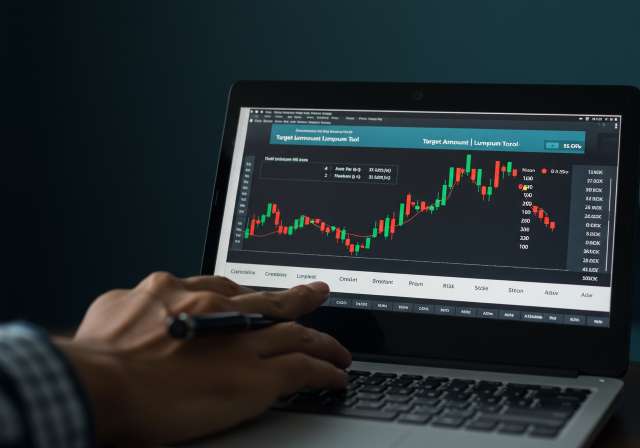
Tag: stock trading

  • Basket Order Trading: A Comprehensive Guide for Indian Investors

    Basket Order Trading: A Comprehensive Guide for Indian Investors

    Simplify your trading with basket order trading! Learn how to execute multiple trades simultaneously on NSE & BSE, optimize your portfolio, and manage risk effe

    Simplify your trading with basket order trading! Learn how to execute multiple trades simultaneously on NSE & BSE, optimize your portfolio, and manage risk effectively. Explore SIP strategies & more.

    Basket Order Trading: A Comprehensive Guide for Indian Investors

    Introduction: Streamlining Your Investments in the Indian Market

    The Indian financial market, with its dynamic NSE and BSE indices, offers a plethora of investment opportunities. From seasoned traders to newcomers exploring the potential of mutual funds and SIPs (Systematic Investment Plans), everyone seeks efficiency and control over their investment strategies. In this context, understanding and utilizing advanced trading tools becomes crucial. This article delves into the world of basket order trading, a powerful technique that can significantly enhance your investment approach, particularly for those dealing with complex portfolios or strategic trades.

    What is a Basket Order?

    Imagine needing to buy several different stocks simultaneously to rebalance your portfolio or execute a specific trading strategy. Individually placing each order can be time-consuming, prone to errors, and potentially lead to price slippage. A basket order allows you to group multiple buy or sell orders for different securities into a single unit. This single order can then be executed with a single click, streamlining the entire process.

    Key Benefits of Using Basket Orders:

    • Time Efficiency: Execute multiple orders in one go, saving valuable time and effort.
    • Reduced Risk of Errors: Eliminates the potential for manual errors associated with placing individual orders.
    • Precise Portfolio Management: Enables accurate and timely rebalancing of your portfolio based on your asset allocation strategy.
    • Strategic Execution: Allows for the implementation of complex trading strategies that require simultaneous execution of multiple orders.
    • Potential for Better Pricing: By executing orders simultaneously, you can potentially minimize price slippage, especially in volatile markets.

    Who Can Benefit from Basket Orders?

    While basket orders can be beneficial for a wide range of investors, they are particularly advantageous for:

    • Active Traders: Day traders and swing traders who execute numerous trades daily can significantly improve their efficiency.
    • Portfolio Managers: Professionals managing large portfolios can streamline the rebalancing process and ensure accurate asset allocation.
    • Algorithmic Traders: Individuals using automated trading systems can integrate basket orders to execute complex trading strategies.
    • Investors Implementing Specific Strategies: Those employing strategies like pair trading or index arbitrage can leverage basket orders for precise execution.
    • SIP and Mutual Fund Investors with Strategic Rebalancing: While SIPs themselves are automated, managing your entire portfolio, including SIP investments and other holdings, might require strategic rebalancing. A basket order can make this rebalancing easier.

    How Basket Order Trading Works: A Step-by-Step Guide

    The process of using basket orders generally involves the following steps:

    1. Choosing a Broker: Select a brokerage firm that offers basket order functionality. Not all brokers provide this feature, so it’s important to check beforehand. Many discount brokers in India now offer this facility.
    2. Creating a Basket: Within your broker’s trading platform, create a new basket and name it according to your strategy (e.g., “Portfolio Rebalancing,” “Pair Trading,” etc.).
    3. Adding Securities: Add the desired securities to your basket, specifying the quantity, order type (market order, limit order, etc.), and price (if applicable) for each security.
    4. Reviewing the Basket: Carefully review all the details in your basket to ensure accuracy before execution.
    5. Executing the Basket: Once you are satisfied, execute the basket order with a single click. The broker will then attempt to execute all the individual orders within the basket simultaneously.
    6. Monitoring Execution: Monitor the execution status of each order within the basket to ensure that all orders are filled as expected.

    Implementing Different Investment Strategies with Basket Orders

    Basket orders provide a versatile tool for implementing a variety of investment strategies. Here are a few examples:

    1. Portfolio Rebalancing:

    Regularly rebalancing your portfolio is crucial to maintain your desired asset allocation and risk profile. With a basket order, you can easily buy and sell securities to bring your portfolio back in line with your target allocation. For instance, if you want to maintain a 60% equity and 40% debt allocation, you can create a basket order to sell some of your equity holdings and buy more debt instruments if your equity allocation has increased due to market appreciation. Consider options like ELSS (Equity Linked Savings Scheme) for tax saving while rebalancing your equity portfolio. You can also include investments in PPF (Public Provident Fund) or NPS (National Pension System) for the debt portion.

    2. Pair Trading:

    Pair trading involves identifying two correlated securities and taking opposing positions (long on one and short on the other) when their price relationship deviates from its historical norm. Basket orders are ideal for executing pair trades, as they allow you to simultaneously enter the long and short positions. For example, if you believe that two companies in the same sector are mispriced relative to each other, you can create a basket order to buy the undervalued company and sell the overvalued company.

    3. Index Arbitrage:

    Index arbitrage involves exploiting price discrepancies between an index (e.g., Nifty 50) and its constituent stocks. By simultaneously buying the constituent stocks and selling the index futures (or vice versa), you can profit from these discrepancies. Basket orders can be used to efficiently buy or sell all the constituent stocks of the index.

    4. Sector Rotation Strategies:

    Sector rotation involves shifting investments from one sector to another based on macroeconomic trends and market outlook. For example, if you anticipate that the technology sector will outperform, you can create a basket order to buy stocks in the technology sector and sell stocks in other sectors that you expect to underperform.

    Risks and Considerations

    While basket orders offer numerous advantages, it’s important to be aware of the potential risks and considerations:

    • Order Execution: Market volatility can impact the execution of individual orders within the basket. Some orders may be filled at different prices than expected, or some orders may not be filled at all.
    • Brokerage Fees: Be aware of the brokerage fees associated with basket orders. Some brokers may charge higher fees for this service.
    • Slippage: Slippage refers to the difference between the expected price of a trade and the actual price at which it is executed. Basket orders can be susceptible to slippage, especially in volatile markets.
    • Platform Familiarity: Understanding how to use the basket order functionality on your broker’s platform is crucial. Practice with small orders before executing larger, more complex baskets.

    Tips for Successful Basket Order Trading

    To maximize the benefits of basket orders and minimize the risks, consider the following tips:

    • Choose a Reputable Broker: Select a broker with a reliable trading platform and competitive brokerage fees.
    • Thoroughly Research Your Strategies: Ensure that you have a well-defined investment strategy before using basket orders.
    • Start Small: Begin with small basket orders to familiarize yourself with the process and test your strategies.
    • Monitor Order Execution: Closely monitor the execution status of each order within the basket.
    • Manage Risk: Use appropriate risk management techniques, such as stop-loss orders, to limit your potential losses.
    • Stay Informed: Keep abreast of market news and events that could impact your investments.

    Conclusion: Empowering Your Investment Journey

    Basket orders provide a powerful tool for Indian investors seeking to streamline their trading and implement complex investment strategies. By understanding the mechanics of basket orders and carefully considering the risks and benefits, you can significantly enhance your investment approach and achieve your financial goals. Whether you are a seasoned trader or a long-term investor focused on strategies including ELSS or even investing in gold, incorporating this method into your trading toolkit can be a game changer. Remember to always conduct thorough research, manage risk effectively, and consult with a financial advisor if needed. The Indian stock market presents numerous opportunities, and leveraging the efficiency of basket order trading can help you navigate it with greater precision and control.


  • Decoding Intraday Trading: A Beginner’s Guide for Indian Investors

    Decoding Intraday Trading: A Beginner’s Guide for Indian Investors

    Demystifying Intraday Trading: Learn the risks & rewards, strategies, & essential tools for navigating the Indian stock market. A comprehensive guide for beginn

    Demystifying intraday trading: Learn the risks & rewards, strategies, & essential tools for navigating the Indian stock market. A comprehensive guide for beginners to advanced traders.

    Decoding Intraday Trading: A Beginner’s Guide for Indian Investors

    Introduction: Riding the Wave of Short-Term Opportunities

    The Indian stock market, with giants like the NSE and BSE, offers a plethora of avenues for wealth creation. While long-term investing through instruments like mutual funds, SIPs, ELSS, PPF, and NPS is widely advocated, a segment of investors is drawn to the fast-paced world of intraday trading. This article delves into the intricacies of intraday trading, providing a comprehensive guide for beginners and a refresher for seasoned traders.

    What is Intraday Trading?

    Intraday trading, also known as day trading, involves buying and selling stocks within the same trading day. The primary goal is to profit from small price movements, capitalizing on market volatility. Unlike traditional investing, where the focus is on long-term growth and holding assets for extended periods, intraday trading is about quick entries and exits, aiming to close all positions before the market closes at 3:30 PM IST.

    In essence, traders using this strategy seek to exploit the fluctuations, sometimes minor, in the prices of stocks or other assets such as futures and options. The profit or loss is realized on the same day, eliminating overnight risk related to unexpected market events that may occur after trading hours.

    Understanding the Mechanics: How Intraday Trading Works in India

    To participate in intraday trading in India, you need a Demat and trading account with a SEBI-registered broker. Here’s a breakdown of the process:

    • Account Setup: Choose a reputable broker offering intraday trading facilities. Ensure they provide a robust trading platform, real-time market data, and competitive brokerage rates. Many brokers in India offer online platforms that allow you to trade from anywhere with an internet connection.
    • Margin Trading: Brokers typically offer margin trading facilities, allowing you to trade with more capital than you actually possess. This amplifies both potential profits and potential losses. It’s crucial to understand the margin requirements and risks involved.
    • Stock Selection: Identify volatile stocks or assets that are likely to experience price fluctuations during the day. Look for stocks with high trading volumes and news catalysts.
    • Technical Analysis: Employ technical analysis tools like charts, indicators, and patterns to identify potential entry and exit points. Common indicators include Moving Averages, RSI (Relative Strength Index), and MACD (Moving Average Convergence Divergence).
    • Order Placement: Place buy and sell orders through your broker’s trading platform. Use limit orders to specify the price at which you want to buy or sell, or market orders to execute trades immediately at the current market price.
    • Risk Management: Implement strict risk management strategies, including setting stop-loss orders to limit potential losses and taking profits when your targets are reached.
    • Square Off: Close all open positions before the market closes to avoid overnight charges and potential overnight risk. Most brokers will automatically square off your positions if you fail to do so.

    Strategies for Intraday Trading: Tools of the Trade

    Successful intraday trading requires a well-defined strategy. Here are some popular strategies employed by Indian traders:

    • Scalping: This involves making numerous small trades throughout the day, aiming to profit from tiny price movements. Scalpers rely heavily on speed and precision.
    • Breakout Trading: Identifying stocks that are breaking out of a defined range or pattern and entering a trade in the direction of the breakout.
    • Momentum Trading: Riding the momentum of a stock that is experiencing strong upward or downward movement.
    • Reversal Trading: Identifying potential reversal points in a stock’s price trend and entering a trade in the opposite direction.
    • News Trading: Capitalizing on price movements triggered by news announcements or economic data releases.

    Technical Indicators: Your Guiding Lights

    Technical indicators are mathematical calculations based on a stock’s price and volume data. They help traders identify potential trading opportunities and confirm their trading signals. Some commonly used indicators include:

    • Moving Averages (MA): Used to smooth out price data and identify trends.
    • Relative Strength Index (RSI): Measures the magnitude of recent price changes to evaluate overbought or oversold conditions.
    • Moving Average Convergence Divergence (MACD): A trend-following momentum indicator that shows the relationship between two moving averages of a stock’s price.
    • Bollinger Bands: Measures the volatility of a stock’s price and identifies potential breakout or breakdown points.
    • Fibonacci Retracements: Used to identify potential support and resistance levels based on Fibonacci ratios.

    Risk Management: Protecting Your Capital

    Risk management is paramount in intraday trading. The inherent leverage and volatility can lead to substantial losses if not managed effectively. Here are some essential risk management techniques:

    • Stop-Loss Orders: Setting a stop-loss order is crucial to limit potential losses. This order automatically closes your position if the price moves against you to a pre-determined level.
    • Position Sizing: Determine the appropriate position size based on your risk tolerance and account size. Avoid risking more than a small percentage of your capital on any single trade (e.g., 1-2%).
    • Risk-Reward Ratio: Aim for a favorable risk-reward ratio. For example, if you are risking ₹1 to potentially earn ₹2, you have a 1:2 risk-reward ratio.
    • Avoid Overtrading: Resist the urge to trade excessively. Stick to your trading plan and only enter trades that meet your criteria.
    • Emotional Control: Maintain emotional discipline and avoid making impulsive decisions based on fear or greed.

    Tools and Resources for Intraday Traders in India

    A successful intraday trader relies on a variety of tools and resources to stay informed and make informed trading decisions:

    • Real-Time Market Data: Access to real-time market data, including price quotes, charts, and order books, is essential.
    • Trading Platform: Choose a robust and user-friendly trading platform that provides charting tools, order entry facilities, and real-time market data.
    • News and Analysis: Stay updated on market news, economic data releases, and company-specific news.
    • Technical Analysis Software: Utilize technical analysis software to analyze charts, identify patterns, and generate trading signals.
    • Educational Resources: Continuously learn and improve your trading skills through books, online courses, and webinars.
    • Brokerage Services: Choose a broker wisely, considering factors such as brokerage fees, margin availability, and research tools.

    Taxation on Intraday Trading Profits in India

    Profits from intraday trading are considered speculative business income and are taxed according to your income tax slab. It is essential to maintain accurate records of your trades and consult with a tax advisor to ensure compliance with tax regulations. Expenses related to your trading activities, such as brokerage fees and internet charges, can be claimed as deductions.

    The Psychological Aspect of Intraday Trading

    Intraday trading is not just about technical analysis and strategies; it also requires a strong psychological mindset. The rapid fluctuations and pressure of making quick decisions can be emotionally challenging. Successful traders possess the following qualities:

    • Discipline: Sticking to your trading plan and avoiding impulsive decisions.
    • Patience: Waiting for the right opportunities and avoiding overtrading.
    • Emotional Control: Managing your emotions and avoiding fear and greed.
    • Risk Tolerance: Understanding your risk tolerance and trading accordingly.
    • Adaptability: Being able to adapt to changing market conditions.

    Conclusion: Is Intraday Trading Right for You?

    Intraday trading offers the potential for quick profits, but it also involves significant risks. It requires a deep understanding of the market, a well-defined trading strategy, robust risk management skills, and a strong psychological mindset. Before venturing into intraday trading, carefully assess your risk tolerance, financial resources, and time commitment. Consider starting with small amounts of capital and gradually increasing your exposure as you gain experience. Remember that intraday trading is not a get-rich-quick scheme, and it requires dedication, discipline, and continuous learning. Consider consulting with a financial advisor to determine if intraday trading aligns with your overall investment goals.

  • Decoding the Indian Stock Market: A Deep Dive into the BSE

    Decoding the Indian Stock Market: A Deep Dive into the BSE

    Unlock the potential of the Indian stock market! Learn about the historical significance, functions, indices (Sensex), and investment opportunities offered by t

    Unlock the potential of the Indian stock market! Learn about the historical significance, functions, indices (Sensex), and investment opportunities offered by the bse. Understand market regulations, trading, and how to participate in India’s oldest stock exchange. Invest wisely in the Indian equity market.

    Decoding the Indian Stock Market: A Deep Dive into the BSE

    Introduction: The Gateway to Indian Equities

    For anyone even remotely interested in the Indian financial landscape, the stock market is a key point of entry. It’s where companies raise capital, investors seek returns, and the overall economic health of the nation is reflected. And at the heart of this vibrant ecosystem lies the Bombay Stock Exchange – the BSE.

    Often overshadowed by its younger, more tech-savvy cousin, the National Stock Exchange (NSE), the BSE holds a unique place in the history of Indian finance. It’s not just an exchange; it’s a legacy, a testament to India’s entrepreneurial spirit and the evolution of its capital markets.

    A Historical Perspective: From Humble Beginnings to a Global Player

    The story of the BSE is intertwined with the rise of Indian commerce. Its roots can be traced back to the 1850s, when a group of five stockbrokers gathered under a banyan tree in Mumbai to trade securities. This informal gathering gradually formalized into “The Native Share & Stock Brokers’ Association” in 1875, which later became the Bombay Stock Exchange.

    For over a century, the BSE served as the primary platform for trading stocks in India. It witnessed periods of boom and bust, economic reforms, and technological advancements. From open outcry trading to electronic platforms, the exchange adapted to the changing times while retaining its core purpose: facilitating capital formation and price discovery.

    Key Milestones in BSE’s History:

    • 1875: Formation of “The Native Share & Stock Brokers’ Association”.
    • 1956: Recognized as the first stock exchange by the Indian government.
    • 1986: Introduction of the Sensex, the BSE’s benchmark index.
    • 1995: Transition to electronic trading.
    • 2000: Introduction of derivatives trading.
    • 2007: Demutualization and corporatization of the exchange.
    • 2017: Initial Public Offering (IPO) of BSE shares.

    Understanding the BSE’s Role in the Indian Economy

    The BSE plays a crucial role in the Indian economy by:

    • Facilitating Capital Formation: It provides a platform for companies to raise capital through the issuance of shares and other securities. This capital can then be used to fund expansion, innovation, and job creation.
    • Providing Liquidity: The exchange provides a liquid market for investors to buy and sell securities. This liquidity makes it easier for investors to enter and exit investments, which in turn encourages more participation in the stock market.
    • Price Discovery: The forces of supply and demand on the BSE determine the prices of securities. This price discovery mechanism ensures that securities are traded at fair values.
    • Promoting Corporate Governance: Listing requirements on the BSE encourage companies to adopt good corporate governance practices, which enhances investor confidence and protects shareholder interests.
    • Measuring Economic Performance: The Sensex, the BSE’s benchmark index, is a widely recognized indicator of the overall health of the Indian economy.

    The Sensex: India’s Benchmark Index

    The Sensex (Sensitive Index) is the most widely tracked and recognized equity index in India. It represents the performance of 30 of the largest and most actively traded companies listed on the BSE. These companies are selected based on their market capitalization, trading volume, and sector representation.

    The Sensex is a valuable tool for investors because it provides a snapshot of the overall market performance. It can be used to benchmark the performance of individual portfolios or mutual funds. A rising Sensex generally indicates a positive outlook for the Indian economy, while a falling Sensex suggests a more pessimistic outlook.

    Investing in the Indian stock market requires a strategic approach. A popular route for retail investors is through Systematic Investment Plans (SIPs) in equity mutual funds. SIPs allow you to invest a fixed sum regularly, averaging out the cost of investment and mitigating risk. Many mutual funds are benchmarked against the Sensex, offering investors diversified exposure to the top 30 companies.

    Factors Influencing the Sensex:

    • Economic Growth: A strong economy typically leads to higher corporate earnings and, consequently, a rising Sensex.
    • Interest Rates: Lower interest rates can make stocks more attractive to investors, leading to an increase in the Sensex.
    • Inflation: High inflation can erode corporate profits and investor confidence, potentially leading to a decline in the Sensex.
    • Global Events: Global economic and political events can also impact the Indian stock market and the Sensex.
    • Government Policies: Government policies related to taxation, regulation, and infrastructure can have a significant impact on corporate performance and the Sensex.

    Investing on the BSE: Opportunities and Considerations

    The BSE offers a wide range of investment opportunities, including:

    • Equities: Investing directly in the shares of companies listed on the exchange. This is considered a higher-risk, higher-reward investment option.
    • Derivatives: Trading in futures and options contracts based on underlying assets, such as stocks or indices. Derivatives trading is more complex and suitable for experienced investors.
    • Mutual Funds: Investing in professionally managed funds that invest in a diversified portfolio of stocks, bonds, or other assets. Mutual funds offer a convenient and diversified way to participate in the stock market. Options like Equity Linked Savings Schemes (ELSS) offer tax benefits under Section 80C of the Income Tax Act, making them an attractive investment avenue.
    • Exchange Traded Funds (ETFs): Similar to mutual funds, ETFs are baskets of securities that track a specific index or sector. ETFs are typically more liquid and have lower expense ratios than traditional mutual funds.
    • Debt Instruments: Although primarily an equity exchange, companies listed on the BSE also issue debt instruments like bonds and debentures.

    Before investing on the BSE, it’s crucial to consider the following:

    • Risk Tolerance: Understand your own risk tolerance and invest accordingly. Equities are generally considered riskier than debt instruments.
    • Investment Goals: Define your investment goals, such as retirement planning, education funding, or wealth accumulation.
    • Time Horizon: Consider your investment time horizon. Longer time horizons allow for greater potential returns but also expose you to more risk.
    • Financial Knowledge: Educate yourself about the stock market and investment strategies. Consult with a financial advisor if needed.
    • Diversification: Diversify your portfolio across different asset classes, sectors, and geographies to reduce risk.

    Regulatory Framework: Ensuring Market Integrity

    The Securities and Exchange Board of India (SEBI) is the primary regulator of the Indian stock market. SEBI’s role is to protect the interests of investors, promote fair and efficient market practices, and regulate the securities market. The BSE operates under the regulatory framework established by SEBI.

    SEBI’s regulations cover a wide range of areas, including:

    • Listing Requirements: Companies seeking to list on the BSE must meet certain eligibility criteria, including financial performance, corporate governance standards, and disclosure requirements.
    • Trading Regulations: SEBI sets rules for trading on the exchange, including order matching, price discovery, and settlement procedures.
    • Insider Trading: SEBI prohibits insider trading, which is the illegal practice of trading on confidential information that is not available to the public.
    • Market Manipulation: SEBI also prohibits market manipulation, which is the practice of artificially influencing the price of a security.
    • Investor Protection: SEBI has implemented various measures to protect investors, including grievance redressal mechanisms and investor awareness programs.

    Understanding the regulatory landscape is crucial for investors. SEBI’s regulations help to ensure market integrity and protect investors from fraud and manipulation. This is why it is important to conduct thorough due diligence before investing in any company listed on an exchange.

    Beyond Equities: Other Investment Avenues in India

    While the BSE primarily focuses on equities, Indian investors have access to a wide range of investment options to diversify their portfolios. These include:

    • Public Provident Fund (PPF): A government-backed savings scheme offering tax benefits and attractive interest rates, ideal for long-term retirement planning.
    • National Pension System (NPS): A defined contribution pension scheme regulated by the Pension Fund Regulatory and Development Authority (PFRDA), offering both equity and debt investment options.
    • Real Estate: Investment in residential or commercial properties, offering potential rental income and capital appreciation.
    • Gold: A traditional investment option in India, considered a safe haven asset during times of economic uncertainty. Investments can be made in physical gold, gold bonds, or gold ETFs.
    • Fixed Deposits (FDs): Offered by banks and financial institutions, providing a fixed rate of return over a specified period.

    Choosing the right investment options depends on individual financial goals, risk tolerance, and time horizon. A well-diversified portfolio that includes a mix of equities, debt, and other asset classes can help investors achieve their financial objectives.

    Conclusion: Navigating the Indian Stock Market with Confidence

    The BSE is more than just a stock exchange; it’s a symbol of India’s economic progress and entrepreneurial spirit. Understanding its history, functions, and regulatory framework is essential for anyone seeking to participate in the Indian stock market. While investing in the stock market involves risks, a well-informed and disciplined approach can help investors achieve their financial goals.

    By understanding the nuances of the Indian financial market, including regulations, indices, and diverse investment instruments, investors can confidently navigate the BSE and other exchanges, fostering financial growth and contributing to the nation’s economic prosperity. Remember to always consult with a qualified financial advisor before making any investment decisions.

  • Navigating the Indian Stock Market: A Comprehensive Guide to the NSE

    Navigating the Indian Stock Market: A Comprehensive Guide to the NSE

    Unlocking India’s Stock Market Potential: Delve into the intricacies of the National Stock Exchange (NSE), its operations, listing process, key indices like Nif

    Unlocking India’s Stock Market Potential: Delve into the intricacies of the National Stock Exchange (nse), its operations, listing process, key indices like Nifty 50, and how it impacts your investments. Make informed financial decisions today!

    Navigating the Indian Stock Market: A Comprehensive Guide to the NSE

    Introduction to the Indian Equity Landscape

    The Indian equity market is a vibrant and dynamic space, offering a multitude of opportunities for investors to grow their wealth. It’s a cornerstone of the Indian economy, reflecting the performance of businesses and contributing significantly to the nation’s financial health. Understanding the key players and processes within this market is crucial for anyone looking to participate and benefit from India’s economic growth story.

    At the heart of this landscape are the stock exchanges, institutions that facilitate the buying and selling of shares in publicly listed companies. They provide a platform where investors can connect with companies seeking capital, creating a win-win scenario that fuels economic development. Two prominent stock exchanges dominate the Indian market: the Bombay Stock Exchange (BSE) and the National Stock Exchange (NSE).

    The Role of Stock Exchanges in India

    Stock exchanges play several vital roles in the Indian financial system:

    • Price Discovery: They provide a transparent platform for price discovery, where the forces of supply and demand determine the fair value of securities.
    • Liquidity: Exchanges ensure liquidity, allowing investors to easily buy and sell shares without significantly impacting the price.
    • Capital Formation: They facilitate capital formation by enabling companies to raise funds from the public through initial public offerings (IPOs) and follow-on public offerings (FPOs).
    • Investor Protection: Exchanges implement regulations and surveillance mechanisms to protect investors from fraudulent activities and ensure fair trading practices.
    • Economic Barometer: Stock market indices, such as the Nifty 50 and Sensex, serve as indicators of overall economic health and investor sentiment.

    Delving Deeper: Understanding the NSE

    The National Stock Exchange (NSE) is India’s leading stock exchange, known for its advanced technology, high trading volumes, and wide range of products and services. Established in 1992, it revolutionized the Indian stock market by introducing electronic trading and screen-based systems, replacing the traditional open outcry method. This modernization significantly improved efficiency, transparency, and accessibility for investors across the country.

    Key Features of the NSE

    • Electronic Trading: The NSE operates entirely on an electronic trading platform, ensuring speed, efficiency, and transparency in order execution.
    • Wide Range of Products: The exchange offers a diverse range of products, including equities, derivatives (futures and options), debt instruments, and mutual funds.
    • Nifty 50 Index: The Nifty 50 is the flagship index of the NSE, representing the top 50 companies listed on the exchange based on free-float market capitalization. It’s a widely tracked benchmark for Indian equity market performance.
    • Market Capitalization: The NSE boasts a significant market capitalization, reflecting the value of all listed companies on the exchange. This figure is an important indicator of the overall size and strength of the Indian equity market.
    • Investor Base: The NSE has a large and diverse investor base, including retail investors, institutional investors (both domestic and foreign), and high-net-worth individuals.

    Listing on the NSE: A Company’s Journey

    For a company to list its shares on the NSE, it must meet specific eligibility criteria and comply with stringent listing requirements set by the exchange and the Securities and Exchange Board of India (SEBI). The listing process involves several steps, including:

    1. Draft Prospectus: Preparing a draft prospectus containing detailed information about the company, its financial performance, business operations, and risk factors.
    2. SEBI Approval: Submitting the draft prospectus to SEBI for approval.
    3. Due Diligence: Undergoing due diligence by merchant bankers and legal advisors.
    4. Initial Public Offering (IPO): Launching an IPO to offer shares to the public.
    5. Listing Agreement: Entering into a listing agreement with the NSE.
    6. Compliance: Complying with ongoing listing requirements, including regular financial reporting and disclosure of material information.

    Listing on the NSE offers several benefits to companies, including access to a larger pool of investors, enhanced brand visibility, and improved corporate governance.

    Investing Through the NSE: Opportunities and Considerations

    The National Stock Exchange provides various avenues for investors to participate in the Indian equity market. Here are some common investment options:

    • Direct Equity: Buying shares of individual companies listed on the NSE. This requires thorough research and understanding of the company’s financials, industry dynamics, and growth prospects.
    • Mutual Funds: Investing in equity mutual funds that invest in a diversified portfolio of stocks listed on the NSE. Mutual funds are managed by professional fund managers and offer diversification benefits, making them suitable for investors with limited time or expertise. Systematic Investment Plans (SIPs) in mutual funds allow investors to invest a fixed amount regularly, benefiting from rupee cost averaging and compounding.
    • Exchange-Traded Funds (ETFs): ETFs are investment funds that track a specific index, sector, or commodity and trade on the stock exchange like individual stocks. They offer diversification and liquidity, making them a popular choice for passive investors.
    • Derivatives: Trading in futures and options contracts based on underlying stocks or indices listed on the NSE. Derivatives are complex instruments and require a high level of knowledge and risk management skills.

    Important Considerations for Investing

    Before investing in the Indian stock market through the NSE, it’s essential to consider the following factors:

    • Risk Tolerance: Assess your risk tolerance and invest accordingly. Equity investments are subject to market volatility and can result in losses.
    • Investment Horizon: Determine your investment horizon and choose investments that align with your long-term goals.
    • Financial Goals: Define your financial goals, such as retirement planning, children’s education, or wealth creation, and select investments that can help you achieve them.
    • Due Diligence: Conduct thorough research on companies, mutual funds, or other investment products before investing.
    • Diversification: Diversify your portfolio across different asset classes, sectors, and investment instruments to mitigate risk.
    • Professional Advice: Seek professional advice from a financial advisor if needed.

    Regulatory Framework and Investor Protection

    The Indian stock market is regulated by the Securities and Exchange Board of India (SEBI), which is responsible for protecting investors’ interests and ensuring fair and transparent trading practices. SEBI has implemented various regulations and guidelines to prevent insider trading, market manipulation, and other fraudulent activities.

    The NSE also has its own surveillance mechanisms and investor grievance redressal mechanisms to address investor complaints and ensure fair trading practices. Investors can file complaints with the exchange if they experience any issues with their brokers or trading activities.

    Beyond Equities: Other Products on the NSE

    While equities are the most well-known offering, the NSE provides a platform for trading in a variety of other financial instruments:

    • Debt Market: Trading in government securities, corporate bonds, and other debt instruments. This provides avenues for fixed-income investments.
    • Currency Derivatives: Trading in futures and options contracts on currency pairs, allowing investors to hedge against currency fluctuations or speculate on currency movements.
    • Commodity Derivatives: Trading in futures contracts on various commodities, such as gold, silver, and crude oil.
    • Sovereign Gold Bonds (SGBs): Government of India issued gold bonds traded on the exchange. These bonds offer a safe and convenient way to invest in gold, providing a fixed interest rate along with capital appreciation linked to gold prices.
    • Treasury Bills (T-Bills): Short-term government securities issued by the Reserve Bank of India (RBI).

    The NSE and the Indian Economy

    The NSE plays a critical role in the Indian economy by facilitating capital formation, promoting investment, and reflecting the overall health of the corporate sector. A well-functioning stock market, like the NSE, attracts both domestic and foreign investment, contributing to economic growth and job creation. The performance of the Nifty 50 and other indices serves as a barometer of investor sentiment and overall economic confidence.

    Furthermore, the exchange provides a platform for companies to raise capital for expansion and innovation, fostering entrepreneurship and driving economic development. The NSE also promotes financial literacy and investor awareness through various educational programs and initiatives, empowering individuals to make informed investment decisions.

    Tax Implications of Investing Through NSE

    Investment returns from the National Stock Exchange (NSE) are subject to taxation as per the prevailing income tax laws in India. The tax implications vary depending on the type of investment and the holding period. Some key points include:

    • Short-Term Capital Gains (STCG): Gains from the sale of equity shares or equity mutual funds held for less than 12 months are considered short-term capital gains and are taxed at a rate of 15% (plus applicable surcharge and cess).
    • Long-Term Capital Gains (LTCG): Gains from the sale of equity shares or equity mutual funds held for more than 12 months are considered long-term capital gains and are taxed at a rate of 10% (plus applicable surcharge and cess) on gains exceeding ₹1 lakh in a financial year.
    • Dividend Income: Dividend income from equity shares is taxable in the hands of the investor at their applicable income tax slab rates.
    • Securities Transaction Tax (STT): STT is a tax levied on transactions in securities on the stock exchange. It is payable by both the buyer and seller of shares.
    • Equity Linked Savings Scheme (ELSS): ELSS mutual funds offer tax benefits under Section 80C of the Income Tax Act. Investments up to ₹1.5 lakh in ELSS are eligible for deduction from taxable income. These funds come with a lock-in period of 3 years.

    It is advisable to consult with a tax professional to understand the specific tax implications of your investments and to optimize your tax planning.

    Conclusion: Empowering Your Financial Journey

    Understanding the National Stock Exchange (NSE) and its operations is crucial for anyone seeking to participate in the Indian equity market. By understanding the key concepts, investment options, and regulatory framework, investors can make informed decisions and navigate the market with confidence. Whether you’re a seasoned investor or just starting your financial journey, the NSE offers a platform for wealth creation and participation in India’s economic growth story. Remember to conduct thorough research, diversify your portfolio, and seek professional advice when needed to achieve your financial goals.

  • Find the Best Zero Brokerage Trading Platform in India

    Find the Best Zero Brokerage Trading Platform in India

    Looking for the best zero brokerage trading platform in India? Explore top platforms offering zero brokerage for equity, F&O, and more. Compare features, accoun

    Looking for the best zero brokerage trading platform in India? Explore top platforms offering zero brokerage for equity, F&O, and more. Compare features, account opening charges, and user experience to find the perfect fit for your trading needs. Start trading smarter today!

    Find the Best Zero Brokerage Trading Platform in India

    Introduction: The Rise of Zero Brokerage Trading

    The Indian stock market has witnessed a significant transformation in recent years, thanks to the advent of technology and the increasing awareness among individuals about investment opportunities. One of the most notable changes is the emergence of zero brokerage trading platforms. Traditionally, brokerage fees were a substantial cost for frequent traders, eating into their profits. However, with the entry of several new-age brokers, the landscape has shifted dramatically, offering investors the chance to trade at minimal or even zero brokerage.

    This trend has democratized access to the stock market, making it more affordable for retail investors to participate. No longer are high brokerage fees a barrier to entry. This article delves into the world of zero brokerage trading platforms in India, exploring their benefits, key considerations, and a comparison of some of the popular options available to Indian investors on exchanges like the NSE and BSE.

    Why Choose a Zero Brokerage Trading Platform?

    Several compelling reasons make zero brokerage trading platforms an attractive option for both novice and experienced traders:

    • Cost Savings: The most obvious advantage is the significant reduction in trading costs. Eliminating brokerage fees can substantially increase your overall returns, especially for frequent traders. Imagine the cumulative savings over a year if you’re placing multiple trades daily.
    • Increased Profit Potential: Lower costs translate directly into increased profit potential. With zero brokerage, even small price movements can result in profitable trades, making it easier to achieve your financial goals.
    • Greater Trading Frequency: Zero brokerage encourages more active trading. You can execute more trades without worrying about hefty brokerage charges eating into your capital. This allows you to explore different trading strategies and potentially capitalize on short-term market opportunities.
    • Accessibility for Beginners: Zero brokerage makes the stock market more accessible to beginners who may be hesitant to invest due to high fees. It removes a significant barrier to entry, encouraging them to start their investment journey with smaller amounts.

    Key Considerations When Choosing a Zero Brokerage Platform

    While the allure of zero brokerage is strong, it’s essential to consider other factors before choosing a platform:

    Account Opening and Maintenance Charges

    While the brokerage may be zero, many platforms levy account opening charges and annual maintenance charges (AMC). Compare these charges carefully, as they can offset the benefits of zero brokerage, especially if you are a less frequent trader.

    Platform Features and User Experience

    A user-friendly and feature-rich platform is crucial for a smooth trading experience. Look for features like:

    • Advanced charting tools: Essential for technical analysis.
    • Real-time market data: To stay updated on price movements.
    • Order placement options: Including market, limit, and stop-loss orders.
    • Mobile app availability: For trading on the go.

    Security and Reliability

    Security is paramount when it comes to handling your financial assets. Ensure the platform has robust security measures in place to protect your account from unauthorized access and cyber threats. Look for features like two-factor authentication and data encryption.

    Also consider the reliability of the platform. Downtime can be costly, especially during volatile market conditions. Check reviews and ratings to assess the platform’s stability and uptime.

    Customer Support

    Responsive and helpful customer support is essential, especially for beginners. Check the availability and responsiveness of customer support channels such as phone, email, and live chat. A good platform should offer timely and efficient assistance with any issues you may encounter.

    Instruments Offered

    Consider the range of investment instruments offered on the platform. Do you want to trade only in equity, or are you also interested in futures and options (F&O), commodities, or currency derivatives? Ensure the platform offers the instruments you are interested in trading.

    Margin and Leverage

    Understand the margin and leverage offered by the platform. While leverage can amplify your profits, it can also magnify your losses. Use leverage cautiously and only if you understand the risks involved.

    Popular Zero Brokerage Trading Platforms in India

    Several platforms in India offer zero brokerage for equity delivery trades. Here are a few prominent players:

    Zerodha

    Zerodha is one of the pioneers of the zero brokerage model in India. They offer zero brokerage for equity delivery trades and direct mutual fund investments. For intraday and F&O trades, they charge a flat fee of ₹20 per order.

    Key Features:

    • User-friendly Kite platform.
    • Advanced charting tools.
    • Direct mutual fund investments.
    • Active community forum.

    Upstox

    Upstox is another popular zero brokerage platform, offering zero brokerage for equity delivery trades. They charge a flat fee of ₹20 per order for intraday and F&O trades. Upstox also offers access to IPOs and mutual funds.

    Key Features:

    • Easy-to-use platform.
    • Access to global markets.
    • Good charting tools.

    Groww

    Groww is primarily known for its user-friendly interface and focus on mutual fund investments. However, they also offer zero brokerage for equity delivery trades. They charge a flat fee of ₹20 per order for intraday and F&O trades.

    Key Features:

    • Simple and intuitive interface.
    • Focus on mutual fund investments.
    • Easy IPO application process.

    Angel One

    Angel One (formerly Angel Broking) has also adopted the zero brokerage model for equity delivery trades. They offer a range of trading and investment services, including advisory and research.

    Key Features:

    • Wide range of trading and investment options.
    • Advisory and research services.
    • User-friendly app.

    Beyond Zero Brokerage: Other Investment Options in India

    While zero brokerage trading platforms are great for active trading, it’s essential to diversify your investments across different asset classes and investment options. Here are some popular investment options in India:

    Mutual Funds

    Mutual funds are a popular investment option for both beginners and experienced investors. They offer diversification and professional management. You can invest in mutual funds through SIPs (Systematic Investment Plans) or lump sum investments. ELSS (Equity Linked Savings Scheme) funds offer tax benefits under Section 80C of the Income Tax Act.

    Public Provident Fund (PPF)

    PPF is a long-term savings scheme offered by the government. It offers tax benefits and a guaranteed return. The interest earned on PPF is tax-free.

    National Pension System (NPS)

    NPS is a retirement savings scheme offered by the government. It allows you to invest in a mix of equity and debt instruments. NPS offers tax benefits under Section 80CCD of the Income Tax Act.

    Equity Markets

    Investing directly in the equity markets can offer high returns, but it also involves higher risk. You can invest in stocks through a Demat account with a broker. Before investing in stocks, it’s essential to do your research and understand the risks involved.

    The Future of Zero Brokerage Trading

    The zero brokerage model is likely to continue to gain popularity in India. As more investors become aware of the benefits of zero brokerage, the demand for these platforms will continue to grow. This increased competition may lead to further innovations and improvements in platform features and services.

    However, it’s important to remember that zero brokerage is just one factor to consider when choosing a trading platform. Other factors like platform features, security, and customer support are equally important. Choose a platform that meets your individual needs and investment goals.

    Conclusion: Making an Informed Choice

    The emergence of zero brokerage trading platforms has revolutionized the Indian stock market, making it more accessible and affordable for retail investors. While zero brokerage is a significant advantage, it’s crucial to consider other factors such as account opening charges, platform features, security, and customer support when choosing the

    best zero brokerage trading platform

    . By carefully evaluating your options and understanding your investment needs, you can make an informed decision and choose a platform that helps you achieve your financial goals.

    Remember to diversify your investments across different asset classes and investment options, and always invest according to your risk tolerance and financial goals. Happy investing!