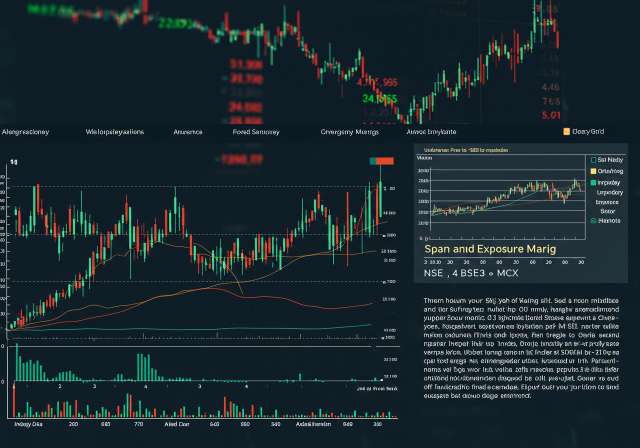
Demystifying Derivatives Trading in India: Understand futures, options, risk management & strategies. Learn how to navigate the NSE & BSE effectively for potent
Demystifying derivatives trading in India: Understand futures, options, risk management & strategies. Learn how to navigate the NSE & BSE effectively for potential gains in the Indian market.
Derivatives Trading: A Beginner’s Guide for Indian Investors
Introduction: Unveiling the World of Derivatives
The Indian financial market offers a plethora of investment opportunities, ranging from traditional avenues like equity stocks and mutual funds to more complex instruments such as derivatives. For new investors, the world of derivatives can seem daunting, filled with unfamiliar terminology and perceived high risk. However, understanding the basics of derivatives is crucial for any investor looking to diversify their portfolio and potentially enhance returns. This guide aims to demystify derivatives trading, providing a comprehensive overview of what they are, how they work, and how Indian investors can navigate this market effectively.
What are Derivatives? A Simple Explanation
In essence, a derivative is a financial contract whose value is derived from an underlying asset. This underlying asset can be anything – from stocks and bonds to commodities, currencies, and even market indices like the Nifty 50 on the NSE (National Stock Exchange) or the Sensex on the BSE (Bombay Stock Exchange). Think of it like betting on the price of something. You don’t own the item itself, but you profit or lose depending on whether your prediction about its price movement is correct.
Common types of derivatives include:
- Futures: An agreement to buy or sell an asset at a predetermined price on a specific date in the future.
- Options: Contracts that give the buyer the right, but not the obligation, to buy (call option) or sell (put option) an asset at a specific price on or before a specific date.
- Swaps: Agreements to exchange cash flows based on different underlying assets or interest rates.
- Forwards: Similar to futures, but traded over-the-counter (OTC) rather than on an exchange.
Why Trade Derivatives? Advantages and Disadvantages
Derivatives offer several potential benefits, making them attractive to a variety of investors:
- Leverage: Derivatives allow you to control a large amount of an underlying asset with a relatively small initial investment (margin). This leverage can amplify both potential profits and losses.
- Hedging: Derivatives can be used to protect existing investments from adverse price movements. For example, a farmer might use futures to lock in a price for their crops, mitigating the risk of price declines before harvest.
- Speculation: Traders can use derivatives to profit from anticipated price movements. If you believe a stock’s price will rise, you can buy a call option on that stock.
- Price Discovery: The price of derivatives can provide valuable information about market expectations for future prices.
However, derivatives also come with inherent risks:
- High Risk: Due to leverage, even small price movements can result in significant gains or losses.
- Complexity: Understanding the intricacies of derivatives requires a solid understanding of financial markets and risk management.
- Volatility: Derivatives markets can be highly volatile, making them unsuitable for risk-averse investors.
- Counterparty Risk: In OTC derivatives, there is a risk that the other party to the contract may default on their obligations.
Derivatives Trading in India: A Closer Look
In India, derivatives trading is primarily conducted on the NSE and BSE. The most commonly traded derivatives are index futures and options (e.g., Nifty 50, Bank Nifty), stock futures and options, and currency futures. These exchanges provide a regulated and transparent platform for trading, with robust risk management systems in place.
Key Participants in the Indian Derivatives Market
The Indian derivatives market attracts a diverse range of participants, including:
- Individual Investors: Retail investors who trade derivatives for speculation or hedging purposes.
- Institutional Investors: Mutual funds, hedge funds, insurance companies, and other institutional investors who use derivatives for portfolio management and risk management.
- Corporates: Companies that use derivatives to hedge their exposure to fluctuations in commodity prices, currency exchange rates, or interest rates.
- Proprietary Traders: Individuals or firms that trade derivatives for their own account, seeking to profit from market inefficiencies.
Getting Started with Derivatives Trading: A Step-by-Step Guide
If you’re considering entering the world of derivatives trading, here’s a step-by-step guide to help you get started:
1. Education and Knowledge: The Foundation for Success
Before you even think about trading, invest time in learning about derivatives. Understand the different types of derivatives, their characteristics, and the factors that influence their prices. Numerous online resources, books, and courses are available to help you build a solid foundation of knowledge. The NSE and BSE websites offer educational materials and training programs specifically tailored for Indian investors.
2. Choose a Reputable Broker: Your Gateway to the Market
Select a stockbroker that offers derivatives trading services. Consider factors such as brokerage fees, trading platform features, research and analysis tools, and customer support. Ensure that the broker is registered with SEBI (Securities and Exchange Board of India), the regulatory body for the Indian securities market.
3. Open a Demat and Trading Account: Essential Requirements
You’ll need a Demat account (for holding securities in electronic form) and a trading account to trade derivatives. The broker will guide you through the account opening process, which typically involves submitting KYC (Know Your Customer) documents.
4. Risk Assessment and Capital Allocation: Protecting Your Investments
Assess your risk tolerance and determine how much capital you’re willing to allocate to derivatives trading. Remember that derivatives are inherently risky, so only invest what you can afford to lose. Start with a small amount and gradually increase your exposure as you gain experience and confidence.
5. Understand Margin Requirements: The Leverage Factor
Derivatives trading requires margin, which is a percentage of the contract value that you need to deposit with your broker. Margin requirements vary depending on the type of derivative, the underlying asset, and the volatility of the market. Understand the margin rules and ensure that you have sufficient funds in your account to meet margin calls (demands from your broker to deposit additional funds if your position moves against you).
6. Develop a Trading Strategy: Your Roadmap to Success
Develop a well-defined trading strategy based on your risk tolerance, investment goals, and market analysis. Your strategy should include entry and exit rules, position sizing, and risk management techniques. Avoid trading based on emotions or gut feelings.
7. Start with Small Positions: Gradual Learning and Experience
Begin with small positions to gain experience and test your trading strategy. Avoid over-leveraging your account, as this can amplify your losses. As you become more comfortable with derivatives trading, you can gradually increase your position sizes.
8. Monitor Your Positions and Manage Risk: Vigilance is Key
Continuously monitor your positions and track market movements. Use stop-loss orders to limit potential losses and take-profit orders to lock in profits. Be prepared to adjust your strategy as market conditions change.
Risk Management in Derivatives Trading: Protecting Your Capital
Risk management is paramount in derivatives trading. Here are some essential risk management techniques:
- Stop-Loss Orders: Place stop-loss orders to automatically exit a position if it moves against you beyond a predetermined level.
- Position Sizing: Limit the size of each position to a small percentage of your total capital.
- Diversification: Diversify your portfolio across different asset classes and derivatives instruments.
- Hedging: Use derivatives to hedge your existing investments from adverse price movements.
- Avoid Over-Leveraging: Do not use excessive leverage, as this can amplify your losses.
Common Derivatives Trading Strategies for Indian Investors
Several derivatives trading strategies are popular among Indian investors, including:
- Covered Call: Selling a call option on a stock that you already own. This strategy generates income but limits potential upside.
- Protective Put: Buying a put option on a stock that you already own to protect against price declines.
- Straddle: Buying both a call option and a put option on the same asset with the same strike price and expiration date. This strategy profits from significant price movements in either direction.
- Strangle: Buying a call option and a put option on the same asset with different strike prices and the same expiration date. This strategy is less expensive than a straddle but requires larger price movements to be profitable.
- Iron Condor: A neutral strategy that involves selling a call spread and a put spread on the same asset. This strategy profits from limited price movements.
The Role of SEBI in Regulating Derivatives Trading
SEBI plays a crucial role in regulating the Indian derivatives market, ensuring fair and transparent trading practices. SEBI sets rules and regulations for market participants, monitors trading activity, and enforces penalties for violations. The goal of SEBI’s regulatory framework is to protect investors and maintain the integrity of the market.
Derivatives vs. Other Investment Options: A Comparison
It’s essential to understand how derivatives compare to other investment options available in India, such as:
- Equity Stocks: Direct ownership in a company. Generally considered less risky than derivatives, but also offer lower potential returns.
- Mutual Funds: Professionally managed investment funds that pool money from multiple investors. Offer diversification and professional management, but also come with fees. Options like ELSS (Equity Linked Savings Scheme) provide tax benefits under Section 80C of the Income Tax Act.
- SIPs (Systematic Investment Plans): Investing a fixed amount in a mutual fund at regular intervals. A disciplined approach to investing that helps to average out the cost of investment.
- PPF (Public Provident Fund): A long-term savings scheme offered by the government. Provides tax benefits and guaranteed returns, but offers lower returns than equity-linked investments.
- NPS (National Pension System): A retirement savings scheme that allows individuals to invest in a mix of equity, debt, and government securities. Offers tax benefits and a structured approach to retirement planning.
Conclusion: Navigating the Complex World of Derivatives
Derivatives can be a powerful tool for enhancing returns, hedging risk, and speculating on market movements. However, they also come with inherent risks that need to be carefully managed. By understanding the basics of derivatives, choosing a reputable broker, developing a sound trading strategy, and practicing effective risk management, Indian investors can navigate the complexities of the derivatives market and potentially achieve their financial goals. Remember to continuously educate yourself and stay updated on market trends and regulatory changes. Consulting with a qualified financial advisor is also recommended before making any investment decisions.