
Tag: Indian stocks

  • Decoding the NIFTY 50: A Complete Guide for Indian Investors

    Decoding the NIFTY 50: A Complete Guide for Indian Investors

    Unlocking the secrets of the NIFTY 50! Understand its composition, significance in the Indian stock market, and how it impacts your investments. A comprehensive

    Unlocking the secrets of the nifty 50! Understand its composition, significance in the Indian stock market, and how it impacts your investments. A comprehensive guide for Indian investors.

    Decoding the NIFTY 50: A Complete Guide for Indian Investors

    Introduction: Navigating the Indian Stock Market with the NIFTY 50

    For any investor dipping their toes into the Indian equity markets, understanding the NIFTY 50 is crucial. It’s more than just a number you see flashing on your television screen. It’s a barometer of the Indian economy, a key indicator of market sentiment, and a crucial benchmark for fund managers. This comprehensive guide will unravel the intricacies of the NIFTY 50, explaining its significance, composition, calculation, and its role in your investment journey.

    What is the NIFTY 50? A Deep Dive

    The NIFTY 50, owned and managed by NSE Indices Limited (formerly known as India Index Services & Products Limited – IISL), is the flagship index on the National Stock Exchange of India (NSE). It represents the weighted average of the top 50 largest and most liquid Indian companies listed on the NSE. These companies are selected based on a free-float market capitalization methodology, meaning their value is determined by the number of shares readily available for trading in the market.

    Think of it as a representative sample of the overall Indian stock market. By tracking the NIFTY 50, you get a snapshot of how the Indian economy’s most influential companies are performing.

    Key Features of the NIFTY 50:

    • Free-Float Market Capitalization Weighted: The weightage of each company is determined by its free-float market capitalization. This means companies with a higher market capitalization have a greater influence on the index’s movement.
    • Diversified Sector Representation: The NIFTY 50 includes companies from various sectors of the Indian economy, offering a broad representation of market performance. This diversification helps reduce the impact of any single sector’s underperformance on the overall index.
    • Liquidity Criterion: Only highly liquid stocks that are frequently traded on the NSE are included. This ensures the index is easily tradable and reflects real-time market conditions.
    • Regular Rebalancing: The index is reviewed and rebalanced periodically to ensure it continues to accurately represent the top 50 companies and reflect any changes in market capitalization, liquidity, and sector representation.

    Why is the NIFTY 50 Important for Investors?

    The NIFTY 50 serves multiple important roles for investors, making it a cornerstone of the Indian financial landscape:

    Benchmark for Fund Performance:

    The NIFTY 50 acts as a benchmark for measuring the performance of actively managed equity mutual funds. Fund managers often aim to outperform the NIFTY 50, demonstrating their expertise in stock selection. Investors can use the NIFTY 50 as a yardstick to evaluate the returns generated by their mutual fund investments. If your fund consistently underperforms the NIFTY 50, it might be time to re-evaluate your investment strategy.

    Indicator of Market Sentiment:

    The movement of the NIFTY 50 reflects the overall sentiment of the Indian stock market. A rising NIFTY 50 generally indicates positive market sentiment, while a falling index often suggests investor pessimism. By observing the NIFTY 50, investors can gain insights into the prevailing market mood and adjust their investment decisions accordingly. For example, during periods of market volatility, tracking the NIFTY 50 can help you gauge the extent of the market correction and make informed decisions about buying or selling stocks.

    Underlying Index for Derivatives:

    The NIFTY 50 is the underlying index for various derivative products, such as futures and options. These derivatives allow investors to hedge their portfolios against market risk or speculate on the future movement of the index. Understanding the NIFTY 50 is essential for anyone interested in trading derivatives, as the index’s performance directly impacts the value of these contracts.

    Basis for Index Funds and ETFs:

    Many index funds and Exchange Traded Funds (ETFs) are designed to replicate the performance of the NIFTY 50. These investment vehicles offer a convenient and cost-effective way for investors to gain exposure to the top 50 Indian companies. By investing in NIFTY 50 index funds or ETFs, investors can achieve diversification and participate in the overall growth of the Indian stock market without having to individually select stocks.

    How is the NIFTY 50 Calculated?

    The NIFTY 50’s value is calculated using the free-float market capitalization weighted method. The formula is as follows:

    Index Value = (Current Market Capitalization / Base Market Capitalization) x Base Index Value

    Where:

    • Current Market Capitalization: Sum of the free-float market capitalization of all 50 companies in the index.
    • Base Market Capitalization: Market capitalization of the companies at the base date (November 3, 1995).
    • Base Index Value: The index value at the base date, which was set at 1000.

    The free-float market capitalization is calculated by multiplying the number of outstanding shares of a company by its current market price and then adjusting for the promoter holding. This ensures that only the shares available for trading in the market are considered in the calculation.

    The index is rebalanced periodically to reflect changes in the free-float market capitalization of the constituent companies. This ensures that the NIFTY 50 continues to accurately represent the top 50 most liquid and valuable companies in the Indian stock market.

    Investing in the NIFTY 50: Direct vs. Indirect Approaches

    While you cannot directly invest in the NIFTY 50, there are several ways to gain exposure to its performance:

    Index Funds:

    Index funds are mutual funds that aim to replicate the performance of the NIFTY 50. They invest in the same 50 companies in the same proportion as the index. Index funds are a passive investment strategy with relatively low expense ratios, making them an attractive option for investors seeking to track the NIFTY 50’s returns.

    Exchange Traded Funds (ETFs):

    ETFs are similar to index funds but are traded on the stock exchange like individual stocks. NIFTY 50 ETFs track the performance of the index and offer investors intraday liquidity. ETFs are a popular choice for investors who want to buy and sell their NIFTY 50 exposure quickly and easily.

    Actively Managed Equity Funds:

    While not directly tracking the NIFTY 50, actively managed equity funds invest in a portfolio of stocks with the aim of outperforming the index. These funds employ fund managers who conduct research and analysis to identify companies with the potential for higher growth. While actively managed funds offer the potential for higher returns, they also come with higher expense ratios and the risk of underperforming the NIFTY 50.

    Derivatives (Futures and Options):

    Experienced investors can use NIFTY 50 futures and options contracts to speculate on the future movement of the index or hedge their existing portfolio against market risk. Derivatives are complex financial instruments and require a thorough understanding of risk management principles. Investors should exercise caution and seek professional advice before trading in derivatives.

    NIFTY 50 vs. Sensex: Understanding the Difference

    The NIFTY 50 and the Sensex (BSE Sensex) are the two most prominent stock market indices in India. While both serve as indicators of the Indian stock market’s performance, they differ in terms of their composition and the exchanges they represent. The Sensex represents the top 30 companies listed on the Bombay Stock Exchange (BSE), while the NIFTY 50 represents the top 50 companies listed on the National Stock Exchange (NSE). Although there are differences, the returns and overall trend of both indices are often closely correlated.

    Factors Influencing the NIFTY 50

    Many factors can influence the performance of the NIFTY 50, including:

    • Economic Growth: Overall economic growth, as measured by GDP, significantly impacts the NIFTY 50. Strong economic growth generally leads to increased corporate earnings and higher stock prices.
    • Inflation and Interest Rates: Inflation and interest rate movements can influence the NIFTY 50. Higher inflation can erode corporate profits, while rising interest rates can make borrowing more expensive for companies.
    • Government Policies: Government policies, such as tax reforms, infrastructure spending, and regulatory changes, can have a significant impact on the NIFTY 50.
    • Global Events: Global events, such as economic crises, geopolitical tensions, and changes in commodity prices, can also affect the NIFTY 50.
    • Corporate Earnings: The financial performance of the companies within the NIFTY 50 directly impacts the index. Strong earnings growth typically leads to higher stock prices.
    • Investor Sentiment: Market sentiment, driven by news, events, and investor psychology, can also influence the NIFTY 50’s movement.

    NIFTY 50 and Your Investment Portfolio

    The NIFTY 50 can play a crucial role in your overall investment portfolio. Here’s how:

    Diversification:

    Investing in NIFTY 50 index funds or ETFs provides instant diversification across the top 50 Indian companies. This helps reduce the risk associated with investing in individual stocks.

    Long-Term Growth:

    Historically, the NIFTY 50 has delivered strong long-term returns. By including NIFTY 50 investments in your portfolio, you can participate in the growth of the Indian economy and potentially achieve your financial goals.

    Cost-Effectiveness:

    NIFTY 50 index funds and ETFs typically have lower expense ratios compared to actively managed funds. This makes them a cost-effective option for investors seeking to build a diversified portfolio.

    Strategic Asset Allocation:

    You can use NIFTY 50 investments to balance your portfolio and achieve your desired asset allocation. Depending on your risk tolerance and investment goals, you can allocate a portion of your portfolio to NIFTY 50 investments and the remainder to other asset classes, such as debt, gold, or real estate.

    Beyond the NIFTY 50: Exploring Other Investment Options in India

    While understanding the NIFTY 50 is essential, remember that it’s just one piece of the Indian investment puzzle. Here are a few other popular investment options to consider:

    • Mutual Funds (Beyond Index Funds): Explore various actively managed equity, debt, and hybrid mutual funds that align with your risk profile and investment goals. Consider Systematic Investment Plans (SIPs) for disciplined investing.
    • Equity Linked Savings Scheme (ELSS): ELSS funds offer tax benefits under Section 80C of the Income Tax Act. They come with a 3-year lock-in period.
    • Public Provident Fund (PPF): A long-term savings scheme with tax benefits and a government guarantee.
    • National Pension System (NPS): A retirement savings scheme regulated by PFRDA, offering tax benefits and market-linked returns.
    • Gold: Consider investing in gold through Sovereign Gold Bonds (SGBs) or gold ETFs.
    • Real Estate: Investing in real estate can provide potential rental income and capital appreciation, but it requires significant capital and involves longer holding periods.

    Conclusion: The NIFTY 50 as a Cornerstone of Your Investment Strategy

    The NIFTY 50 is an indispensable tool for Indian investors. Whether you’re a seasoned trader or just starting your investment journey, understanding the NIFTY 50 its composition, and its role in the Indian stock market is vital. By incorporating NIFTY 50 index funds or ETFs into your portfolio, you can gain broad market exposure, diversify your investments, and participate in the long-term growth of the Indian economy. Remember to consult with a financial advisor to determine the best investment strategy for your individual needs and financial goals.
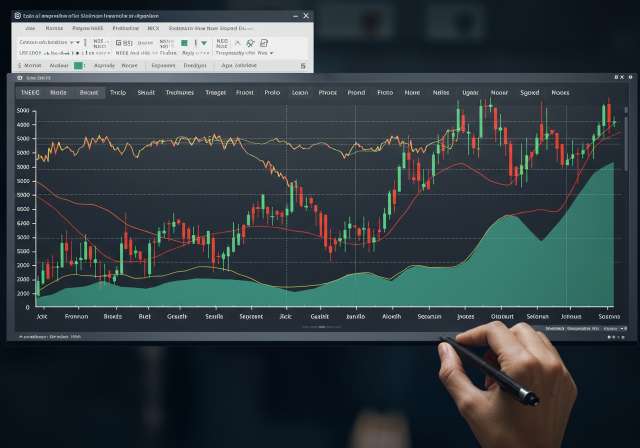

  • Decoding the Nifty 50: Your Guide to India’s Stock Market Barometer

    Decoding the Nifty 50: Your Guide to India’s Stock Market Barometer

    Unveiling the Nifty 50: India’s benchmark index. Learn about its composition, performance, and how it impacts your investments in the Indian stock market. Disco

    Unveiling the nifty 50: India’s benchmark index. Learn about its composition, performance, and how it impacts your investments in the Indian stock market. Discover how to invest wisely!

    Decoding the Nifty 50: Your Guide to India’s Stock Market Barometer

    Introduction: Navigating the Indian Equity Landscape

    The Indian stock market, a vibrant and dynamic ecosystem, offers a plethora of opportunities for investors seeking to grow their wealth. However, understanding its intricacies can feel overwhelming, especially for newcomers. At the heart of this market lies a crucial indicator: the Nifty 50. Consider it a snapshot of the Indian economy, reflecting the performance of the nation’s leading companies.

    Think of the market as a vast ocean. Individual stocks are like smaller boats sailing on it, some rising high, others struggling. The Nifty 50, however, is more like a weather buoy, giving you an overall sense of the ocean’s conditions – whether the market is generally calm (bullish), turbulent (bearish), or somewhere in between. This article aims to demystify the Nifty 50, providing you with a comprehensive understanding of its role, composition, and significance in the Indian financial landscape.

    What Exactly is the Nifty 50?

    The Nifty 50, short for National Fifty, is a flagship index of the National Stock Exchange (NSE) of India. It represents the weighted average of the top 50 publicly listed companies on the NSE, selected based on their free-float market capitalization. These 50 companies represent approximately 65% of the NSE’s free float market capitalization, making the index a highly representative gauge of the overall market sentiment.

    Essentially, the Nifty 50 serves as a benchmark. Investors and analysts use it to:

    • Gauge Market Performance: Track the overall direction and health of the Indian stock market.
    • Compare Investment Returns: Evaluate the performance of individual stocks or mutual funds against a widely recognized benchmark.
    • Create Investment Products: Serve as the basis for index funds, exchange-traded funds (ETFs), and other investment vehicles.

    The index is maintained by NSE Indices Limited (formerly known as India Index Services & Products Limited – IISL), a subsidiary of the NSE. They are responsible for its calculation, monitoring, and periodic rebalancing.

    Understanding the Nifty 50 Calculation Methodology

    The Nifty 50 is calculated using the free-float market capitalization-weighted method. Let’s break this down:

    Free-Float Market Capitalization

    This refers to the market value of shares readily available for trading in the market. It excludes promoter holdings, government holdings, and other shares considered “locked-in.” The formula is:

    Free-Float Market Capitalization = (Shares Outstanding – Locked-In Shares) Share Price

    Weighting

    Each company in the Nifty 50 is assigned a weight based on its free-float market capitalization. Companies with larger free-float market capitalization have a higher weight in the index. This means their price movements have a greater impact on the overall index value.

    Index Value Calculation

    The index value is calculated in real-time throughout the trading day, reflecting the fluctuating prices of its constituent stocks. A base capital and base index value are used as starting points for the calculation.

    While the specific formula is complex, the key takeaway is that the index reflects the combined performance of its 50 constituents, weighted according to their market importance.

    Who are the Companies in the Nifty 50?

    The composition of the Nifty 50 is not static. It is reviewed and rebalanced periodically (typically semi-annually) by NSE Indices Limited. This ensures the index remains representative of the largest and most liquid companies on the NSE.

    As of the latest review (dates may vary), the Nifty 50 typically includes companies from diverse sectors such as:

    • Financial Services: HDFC Bank, ICICI Bank, State Bank of India (SBI), Bajaj Finance
    • Information Technology: Infosys, Tata Consultancy Services (TCS), HCL Technologies
    • Energy: Reliance Industries, Indian Oil Corporation (IOC)
    • Consumer Goods: Hindustan Unilever, ITC, Nestle India
    • Automobile: Maruti Suzuki, Mahindra & Mahindra
    • Pharmaceuticals: Dr. Reddy’s Laboratories, Sun Pharmaceutical Industries
    • Metals: Tata Steel, JSW Steel

    This is not an exhaustive list, and the exact composition can change. You can find the most up-to-date list on the NSE India website.

    Why is the Nifty 50 Important for Indian Investors?

    The Nifty 50 holds significant importance for both seasoned and novice investors in the Indian market:

    • Benchmark for Performance Evaluation: It allows investors to assess the performance of their portfolios. If your portfolio is underperforming the Nifty 50, it might indicate a need to re-evaluate your investment strategy.
    • Foundation for Index Funds and ETFs: Many mutual funds and ETFs are designed to replicate the performance of the Nifty 50. These funds offer a diversified way to invest in the top 50 companies without having to buy each stock individually. Investing in Nifty 50 index funds and ETFs is a passive investment strategy, ideal for those seeking market-linked returns with lower expenses.
    • Economic Indicator: The Nifty 50 provides a broad indication of the health and direction of the Indian economy. A rising Nifty 50 often suggests positive economic sentiment, while a falling index may signal concerns.
    • Accessibility to Market Participation: Investing in Nifty 50 based products, particularly ETFs and Index Funds, makes participation in the broader market accessible even to investors with limited capital. You can start with small Systematic Investment Plans (SIPs) in these instruments.

    Investing in the Nifty 50: Different Avenues

    There are several ways to gain exposure to the Nifty 50:

    Nifty 50 Index Funds

    These are mutual funds that aim to replicate the composition and performance of the Nifty 50. The fund manager invests in the same stocks and in the same proportion as the index. The goal is to mirror the index’s returns (minus expenses).

    Nifty 50 Exchange-Traded Funds (ETFs)

    ETFs are similar to index funds but are traded on the stock exchange like individual stocks. They offer intraday liquidity and can be bought and sold throughout the trading day. The expense ratios of ETFs are generally lower than those of index funds.

    Direct Stock Investment

    You can also invest directly in the individual companies that make up the Nifty 50. This requires more research and active management but allows you to tailor your portfolio to your specific preferences.

    Derivatives: Futures and Options

    The Nifty 50 is also available for trading in the derivatives market, including futures and options. These are leveraged instruments that allow you to speculate on the future direction of the index. However, derivatives trading is inherently risky and requires a thorough understanding of the market.

    Factors Influencing the Nifty 50

    The performance of the Nifty 50 is influenced by a multitude of factors, both domestic and global:

    • Economic Growth: India’s GDP growth, industrial production, and inflation rates significantly impact the index.
    • Corporate Earnings: The financial performance of the companies within the Nifty 50 directly affects its value. Strong earnings generally lead to higher stock prices and a rising index.
    • Government Policies: Fiscal and monetary policies, regulatory changes, and infrastructure development initiatives can all have a positive or negative impact.
    • Global Events: International economic conditions, geopolitical tensions, and commodity price fluctuations can influence investor sentiment and market performance.
    • Interest Rate Movements: Changes in interest rates by the Reserve Bank of India (RBI) can impact borrowing costs for companies and influence investor decisions.
    • Foreign Institutional Investor (FII) Flows: The inflow and outflow of funds from FIIs can significantly impact the demand and supply of Indian stocks.

    The Nifty 50 vs. Other Indices

    While the Nifty 50 is a key indicator, it’s not the only index in the Indian stock market. Other important indices include:

    • BSE Sensex: The Sensex, managed by the Bombay Stock Exchange (BSE), tracks the performance of the top 30 companies on the BSE. It is another widely followed benchmark index.
    • Nifty Bank: This index focuses specifically on the banking sector, tracking the performance of the most liquid and large banking stocks listed on the NSE.
    • Nifty IT: This index tracks the performance of information technology companies listed on the NSE.
    • Nifty Midcap 100 and Nifty Smallcap 100: These indices track the performance of mid-sized and small-sized companies, respectively.

    Each index provides a different perspective on the market. The BSE Sensex and the Nifty 50 are both broad market indices, but the Sensex includes only 30 companies compared to the Nifty 50’s 50. This means the Nifty 50 might offer slightly better diversification.

    Risk Factors to Consider

    Investing in the Nifty 50, whether through index funds, ETFs, or direct stock investment, involves inherent risks:

    • Market Risk: The value of your investment can fluctuate based on market conditions.
    • Concentration Risk: Although the Nifty 50 is diversified, it is still concentrated in the top 50 companies. Certain sectors might have a higher weightage, exposing you to sector-specific risks.
    • Tracking Error (for Index Funds and ETFs): Index funds and ETFs may not perfectly replicate the performance of the Nifty 50 due to expenses, fund management techniques, and other factors. This difference in performance is known as tracking error.
    • Economic and Political Risk: Changes in economic policies, political instability, and global events can affect the overall market and the Nifty 50.

    Conclusion: Leveraging the Nifty 50 for Informed Investing

    The Nifty 50 is an indispensable tool for understanding and navigating the Indian stock market. By comprehending its composition, calculation methodology, and the factors that influence it, investors can make more informed decisions. Whether you choose to invest directly in the constituent stocks, opt for index funds or ETFs, or simply use the index as a benchmark, the Nifty 50 provides valuable insights into the health and direction of the Indian economy. Remember to conduct thorough research, understand your risk tolerance, and consult with a financial advisor before making any investment decisions. Consider your overall investment goals, time horizon, and risk appetite before allocating funds to the market. Also, remember to explore other investment options like Public Provident Fund (PPF), National Pension Scheme (NPS), and Equity Linked Savings Schemes (ELSS) for tax-saving benefits, and diversify your investment portfolio accordingly. With a well-informed approach, you can leverage the power of the Indian stock market, guided by the reliable compass that is the Nifty 50.

  • Decoding the Dynamics of BSE Trading: A Comprehensive Guide

    Decoding the Dynamics of BSE Trading: A Comprehensive Guide

    Unlock the world of investing with our comprehensive guide to BSE trading. Learn about market hours, IPOs, indices, and smart investment strategies to maximize

    Unlock the world of investing with our comprehensive guide to BSE trading. Learn about market hours, IPOs, indices, and smart investment strategies to maximize your returns in the Indian stock market.

    Decoding the Dynamics of BSE Trading: A Comprehensive Guide

    Introduction: Your Gateway to the Indian Stock Market

    The Bombay Stock Exchange (BSE), Asia’s oldest stock exchange, stands as a cornerstone of the Indian financial landscape. Established in 1875, it has witnessed the evolution of the Indian economy and has played a pivotal role in wealth creation for millions of Indians. Understanding the nuances of BSE trading is crucial for anyone looking to participate in the Indian equity market, whether you’re a seasoned investor or just starting your investment journey. This guide aims to provide a comprehensive overview of BSE trading, covering everything from the basics to advanced strategies.

    Understanding the BSE: A Historical Perspective

    The BSE’s journey began under a banyan tree, evolving into the technological powerhouse it is today. It provides a platform for companies to raise capital through Initial Public Offerings (IPOs) and for investors to trade shares of publicly listed companies. The BSE is also home to several key indices, including the S&P BSE Sensex, a benchmark index that reflects the performance of the top 30 companies listed on the exchange. The Sensex is widely tracked as an indicator of the overall health of the Indian economy.

    Key Components of BSE Trading

    Before diving into the specifics of trading, it’s essential to understand the fundamental components that make up the BSE trading system:

    • Trading Members (Brokers): These are intermediaries registered with the Securities and Exchange Board of India (SEBI) who facilitate buying and selling of securities on behalf of investors. Choosing a reliable and reputable broker is crucial for a smooth trading experience.
    • Securities: These are the financial instruments that are traded on the BSE, including equity shares, debt instruments, mutual fund units, and Exchange Traded Funds (ETFs).
    • Trading Platform: The BSE provides an electronic trading platform that allows brokers to execute trades on behalf of their clients. This platform ensures transparency and efficiency in the trading process.
    • Clearing and Settlement: After a trade is executed, the clearing and settlement process ensures that the securities are transferred to the buyer’s account and the funds are transferred to the seller’s account. This process is typically managed by a clearing corporation.

    Getting Started with BSE Trading: A Step-by-Step Guide

    Ready to embark on your BSE trading journey? Here’s a step-by-step guide to get you started:

    1. Open a Demat and Trading Account

    A Demat account holds your shares in electronic form, while a trading account allows you to buy and sell shares on the BSE. You can open both accounts with a registered broker. Ensure the broker is SEBI registered.

    • Research Brokers: Compare brokerage fees, trading platforms, customer service, and other features before choosing a broker. Discount brokers offer lower fees but may provide limited research and advisory services, while full-service brokers offer a wider range of services but charge higher fees.
    • Complete KYC: You’ll need to complete the Know Your Customer (KYC) process, which involves providing your identity proof, address proof, and other relevant documents. This is a mandatory requirement for opening a Demat and trading account.

    2. Understand Market Timings and Trading Sessions

    The BSE follows specific trading hours. Understanding these timings is crucial for placing your orders effectively.

    • Normal Market Session: The normal trading session typically runs from 9:15 AM to 3:30 PM, Monday to Friday.
    • Pre-Open Session: A pre-open session is held between 9:00 AM and 9:15 AM, during which orders can be placed, modified, or cancelled. However, no actual trading takes place during this session.
    • Closing Session: A closing session is held at 3:40 PM to determine the closing price of the day.

    3. Placing Your Orders: Types of Orders

    Understanding different order types is essential for executing your trades effectively. Here are some common order types:

    • Market Order: An order to buy or sell a security at the best available price in the market. This order type ensures that your order is executed quickly, but you may not get the desired price.
    • Limit Order: An order to buy or sell a security at a specific price or better. This order type allows you to control the price at which your order is executed, but there’s no guarantee that your order will be filled if the market price doesn’t reach your specified price.
    • Stop-Loss Order: An order to buy or sell a security when the price reaches a specific level. This order type is used to limit your potential losses in case the market moves against your position.

    4. Understanding Market Indices and their Significance

    Market indices, such as the Sensex and Nifty 50 (of the National Stock Exchange or NSE), provide a snapshot of the overall market performance. Tracking these indices can help you understand market trends and make informed investment decisions. These indices are used as benchmarks to compare the performance of your investment portfolio.

    5. Risk Management Strategies

    Investing in the stock market involves inherent risks. Implementing effective risk management strategies is crucial for protecting your capital and minimizing potential losses. Here are some key risk management strategies:

    • Diversification: Spread your investments across different asset classes, sectors, and companies to reduce the impact of any single investment on your overall portfolio.
    • Stop-Loss Orders: Use stop-loss orders to limit your potential losses on individual trades.
    • Position Sizing: Determine the appropriate amount of capital to allocate to each trade based on your risk tolerance and investment goals.
    • Regular Monitoring: Regularly monitor your investments and make adjustments as needed based on market conditions and your investment objectives.

    Investment Options on the BSE

    The BSE provides access to a wide range of investment options, catering to different risk appetites and investment goals. Here are some popular investment options available on the BSE:

    1. Equity Shares

    Investing in equity shares represents ownership in a company. It offers the potential for high returns but also carries a higher level of risk. Consider fundamentally strong companies before investing.

    2. Initial Public Offerings (IPOs)

    IPOs are the first offering of shares by a private company to the public. Investing in IPOs can be a lucrative opportunity, but it also involves higher risk due to the lack of historical data. Thorough research is vital.

    3. Mutual Funds

    Mutual funds pool money from multiple investors to invest in a diversified portfolio of stocks, bonds, or other assets. They are managed by professional fund managers and offer a convenient way to diversify your investments. Options include Equity Linked Savings Schemes (ELSS) for tax savings, Systematic Investment Plans (SIPs) for disciplined investing, and debt funds for lower risk.

    4. Exchange Traded Funds (ETFs)

    ETFs are investment funds that track a specific index, sector, or commodity. They trade on stock exchanges like individual stocks and offer a cost-effective way to diversify your portfolio.

    5. Debt Instruments

    Debt instruments, such as corporate bonds and government securities, offer a fixed rate of return and are generally considered less risky than equity shares. They can provide a stable source of income for your portfolio. Options like Public Provident Fund (PPF) and National Pension System (NPS) are popular for long-term debt investments.

    Strategies for Successful BSE Trading

    While there’s no guaranteed formula for success in the stock market, employing sound investment strategies can significantly increase your chances of achieving your financial goals. Here are some proven strategies for successful BSE trading:

    1. Fundamental Analysis

    Fundamental analysis involves evaluating the financial health and performance of a company to determine its intrinsic value. This includes analyzing the company’s financial statements, management team, industry trends, and competitive landscape. Identifying undervalued companies with strong fundamentals can lead to long-term investment success.

    2. Technical Analysis

    Technical analysis involves studying historical price and volume data to identify patterns and trends that can be used to predict future price movements. This includes using charts, indicators, and other technical tools to analyze market sentiment and identify potential trading opportunities.

    3. Value Investing

    Value investing involves identifying undervalued companies that are trading below their intrinsic value. This strategy focuses on buying companies with strong fundamentals at a discount and holding them for the long term. Warren Buffett is a well-known proponent of value investing.

    4. Growth Investing

    Growth investing involves identifying companies with high growth potential and investing in them for the long term. This strategy focuses on companies that are expected to grow their earnings at a faster rate than the market average. Identifying these companies can lead to significant returns over time.

    Conclusion: Empowering Your Financial Future through BSE Trading

    BSE trading offers a wealth of opportunities for investors to participate in the growth of the Indian economy and build long-term wealth. By understanding the fundamentals of BSE trading, implementing sound investment strategies, and managing risk effectively, you can empower your financial future and achieve your investment goals. Remember to stay informed, adapt to market changes, and continuously learn to navigate the dynamic world of the Indian stock market successfully.