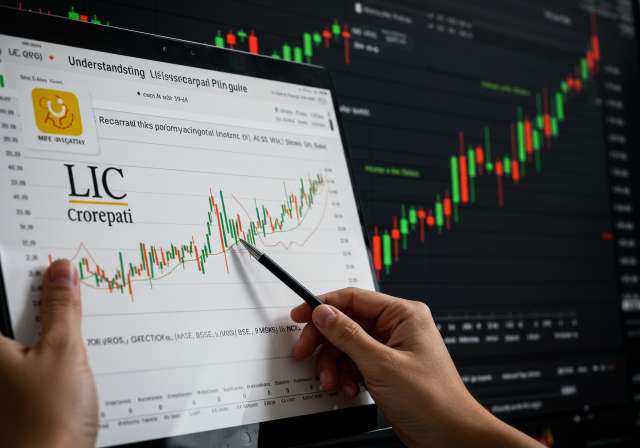
Unlock the secrets to low-cost stock trading in India! Discover how to minimize brokerage fees, maximize returns, and navigate the Indian stock market with expe
Unlock the secrets to low-cost stock trading in india! Discover how to minimize brokerage fees, maximize returns, and navigate the Indian stock market with expert tips. Start your journey to profitable trading today!
Low-Cost Stock Trading in India: A Comprehensive Guide
Introduction: The Allure of Affordable Investing
The Indian stock market, with its vibrant exchanges like the NSE (National Stock Exchange) and BSE (Bombay Stock Exchange), offers tremendous opportunities for wealth creation. However, high brokerage fees can significantly eat into your profits, especially for frequent traders or those starting with limited capital. That’s why understanding the landscape of low-cost stock trading in India is crucial for any savvy investor.
This comprehensive guide aims to demystify the world of affordable trading, providing you with the knowledge and strategies to navigate the market effectively while keeping your costs to a minimum. We’ll explore different brokerage models, discuss the impact of technology, and delve into practical tips for optimizing your trading expenses.
Understanding Brokerage Models in India
Brokerage is the commission you pay to a broker for executing your buy and sell orders. Traditionally, brokers charged a percentage of the transaction value. However, the rise of discount brokers has revolutionized the industry, offering significantly lower, often fixed-rate, brokerage fees.
Percentage-Based Brokerage: A Legacy Model
This model involves charging a percentage of the total transaction value as brokerage. While still offered by some traditional brokers, it’s generally more expensive, especially for larger trades. For example, if your broker charges 0.5% brokerage on a ₹1 lakh trade, you’ll pay ₹500 in brokerage fees.
Flat-Fee Brokerage: The Discount Broker Advantage
Discount brokers offer a flat-fee brokerage model, where you pay a fixed amount per trade, regardless of the transaction size. This model is particularly beneficial for high-volume traders or those executing larger orders. Many discount brokers in India offer brokerage rates as low as ₹20 per executed order.
Zero Brokerage: Demat Account Options and Conditions
Some brokers offer zero brokerage for equity delivery trades (where you hold the shares in your Demat account for more than a day). However, they usually charge brokerage for intraday trading and other segments. It’s essential to carefully review the terms and conditions before opting for a zero-brokerage account to understand the associated charges and limitations.
Factors Influencing Brokerage Costs
Several factors can influence your overall brokerage costs, including:
- Trading Volume: High-volume traders often receive discounted brokerage rates.
- Trading Segment: Brokerage rates may vary depending on whether you’re trading in equity, derivatives (futures and options), or commodities.
- Brokerage Plan: Different brokerage plans come with varying fee structures and features.
- Account Type: The type of account you hold (e.g., Demat account, trading account) can also impact brokerage costs.
Selecting the Right Broker: Due Diligence is Key
Choosing the right broker is a critical decision that can significantly impact your trading experience and profitability. Here are some factors to consider:
- Brokerage Charges: Compare brokerage rates across different brokers and choose a plan that aligns with your trading style and volume.
- Trading Platform: Evaluate the user-friendliness, features, and reliability of the broker’s trading platform.
- Research and Analysis: Check if the broker provides research reports, market analysis, and other tools to support your investment decisions.
- Customer Support: Ensure the broker offers responsive and helpful customer support through various channels (e.g., phone, email, chat).
- Regulatory Compliance: Verify that the broker is registered with SEBI (Securities and Exchange Board of India) and adheres to all regulatory requirements.
Technology’s Role in Reducing Trading Costs
Technology has played a pivotal role in democratizing access to the stock market and reducing trading costs. Online trading platforms have eliminated the need for traditional brokers, enabling investors to execute trades directly and at lower costs.
Furthermore, advanced trading tools and algorithms have automated many trading processes, improving efficiency and reducing human error. This has led to lower operational costs for brokers, which are often passed on to investors in the form of lower brokerage fees.
Beyond Brokerage: Hidden Costs to Watch Out For
While brokerage is the most visible cost, other hidden expenses can also impact your overall trading profitability. Be aware of these charges:
- Demat Account Charges: Demat accounts typically have annual maintenance charges (AMCs).
- Transaction Charges: Exchanges (NSE and BSE) levy transaction charges on each trade.
- Securities Transaction Tax (STT): STT is a tax levied by the government on the sale and purchase of securities.
- Goods and Services Tax (GST): GST is applicable on brokerage and other services provided by brokers.
- Stamp Duty: Stamp duty is levied on certain transactions, such as the transfer of shares.
Understanding these hidden costs and factoring them into your trading strategy is crucial for accurate cost assessment.
Strategies for Minimizing Trading Costs
Here are some practical strategies to minimize your trading costs and maximize your returns:
- Negotiate Brokerage: If you’re a high-volume trader, negotiate with your broker for lower brokerage rates.
- Use Limit Orders: Limit orders allow you to specify the price at which you’re willing to buy or sell a security. This can help you avoid paying higher prices due to market fluctuations.
- Avoid Intraday Trading: Intraday trading involves buying and selling securities within the same day. It’s generally riskier and incurs higher brokerage costs due to the increased number of transactions.
- Invest for the Long Term: Long-term investing reduces the frequency of trading and minimizes brokerage costs. Consider investing in fundamentally strong companies and holding them for the long term.
- Utilize Direct Mutual Funds: Direct mutual funds allow you to invest directly in mutual funds, bypassing distributors and saving on commission costs.
- Explore SIPs (Systematic Investment Plans): SIPs allow you to invest a fixed amount in mutual funds at regular intervals. This helps to average out your investment costs and reduce market timing risk.
- Consider ELSS (Equity Linked Savings Scheme) for Tax Savings: ELSS funds offer tax benefits under Section 80C of the Income Tax Act. By investing in ELSS funds, you can save on taxes while building wealth.
Tax Implications of Stock Trading
Understanding the tax implications of stock trading is crucial for maximizing your after-tax returns. Here’s a brief overview:
- Short-Term Capital Gains (STCG): Profits from the sale of shares held for less than 12 months are taxed as STCG at a rate of 15% (plus applicable surcharge and cess).
- Long-Term Capital Gains (LTCG): Profits from the sale of shares held for more than 12 months are taxed as LTCG. LTCG up to ₹1 lakh in a financial year is exempt from tax. Gains exceeding ₹1 lakh are taxed at a rate of 10% (plus applicable surcharge and cess).
- Dividend Income: Dividend income is taxable in the hands of the investor at their applicable income tax slab rates.
Consult with a tax advisor to understand the specific tax implications of your trading activities and optimize your tax planning.
The Future of Low-Cost Stock Trading in India
The landscape of low-cost stock trading in India is constantly evolving. The increasing adoption of technology, the growing popularity of discount brokers, and the increasing awareness among investors are driving down trading costs and making the stock market more accessible to everyone. With platforms offering services like fractional shares, and the increasing use of AI and data analytics to provide personalized investment advice, the future looks bright for cost-effective and efficient stock trading in India.
Conclusion: Empowering Investors Through Affordability
Low-cost stock trading in India empowers investors to participate in the stock market with minimal financial burden. By understanding the different brokerage models, minimizing trading costs, and making informed investment decisions, you can unlock the potential for wealth creation and achieve your financial goals. Remember to conduct thorough research, choose a reputable broker, and stay informed about market trends and regulatory changes. Happy trading!
Leave a Reply