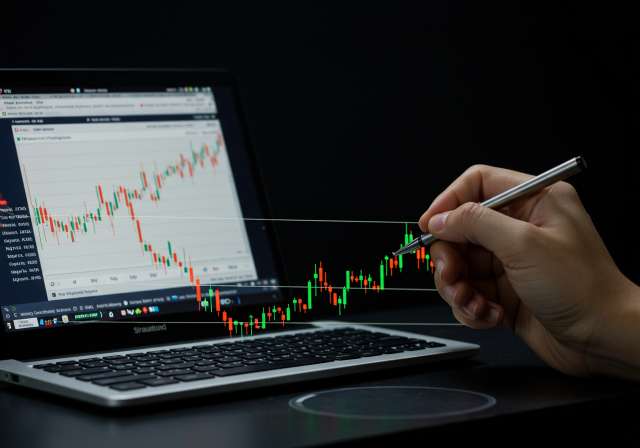
Unlock the power of futures trading in India! Learn how a futures trading app can streamline your investment strategy. Discover top platforms, tips, and risks.
Unlock the power of futures trading in India! Learn how a futures trading app can streamline your investment strategy. Discover top platforms, tips, and risks. Invest wisely!
Mastering Futures Trading: Choosing the Right Trading App
Introduction: Futures Trading in the Indian Context
The Indian financial market is a dynamic ecosystem, offering a plethora of investment opportunities for both seasoned traders and newcomers. Among these, futures trading stands out as a potentially lucrative, albeit risky, avenue. Futures contracts, traded on exchanges like the NSE (National Stock Exchange) and BSE (Bombay Stock Exchange), allow investors to speculate on the future price movements of underlying assets, ranging from commodities like gold and crude oil to indices like the Nifty 50 and Bank Nifty.
Traditionally, accessing these markets required physical presence at a brokerage or relying on desktop-based trading platforms. However, the advent of technology has democratized access to futures trading, with a growing number of mobile applications designed to empower investors to trade on the go. This article delves into the world of futures trading apps, exploring their benefits, key features, and factors to consider when choosing the right platform for your needs.
Why Use a Futures Trading App? Advantages for Indian Investors
A dedicated mobile application offers several distinct advantages for Indian investors looking to engage in futures trading:
- Accessibility and Convenience: Trade from anywhere, anytime. Whether you’re commuting, traveling, or simply away from your desktop, a futures trading app keeps you connected to the market. This is particularly useful for reacting swiftly to market movements and news events.
- Real-Time Data and Analysis: Most apps provide real-time market data, price charts, and technical indicators. This enables informed decision-making based on the latest market information. Many offer advanced charting tools previously only available on desktop platforms.
- Order Placement and Execution: Place orders quickly and efficiently, including market orders, limit orders, stop-loss orders, and bracket orders. The ability to set price alerts and receive notifications is crucial for managing risk.
- Portfolio Monitoring and Tracking: Keep a close eye on your positions, track your profits and losses (P&L), and monitor your margin requirements. A clear and intuitive interface allows you to understand your portfolio performance at a glance.
- Educational Resources: Many apps offer educational resources, such as tutorials, articles, and webinars, to help you learn about futures trading and develop your trading strategies. This is particularly beneficial for beginners.
- Integrated Risk Management Tools: Features like margin calculators and risk assessment tools can help you manage your risk exposure and avoid over-leveraging. Remember, futures trading involves leverage, which can amplify both gains and losses.
- Seamless Integration with Demat Accounts: Most apps seamlessly integrate with your existing Demat account, making it easy to transfer funds and manage your overall investment portfolio.
Key Features to Look for in a Futures Trading App
When evaluating different futures trading apps, consider the following key features:
- User Interface (UI) and User Experience (UX): The app should be intuitive and easy to navigate, even for beginners. A cluttered or confusing interface can lead to errors and missed opportunities.
- Charting Tools and Technical Indicators: Look for a robust set of charting tools and technical indicators, such as moving averages, RSI (Relative Strength Index), MACD (Moving Average Convergence Divergence), and Fibonacci retracements.
- Real-Time Data Feeds: Ensure that the app provides real-time market data from reputable sources. Delays or inaccuracies in data can be detrimental to your trading performance.
- Order Types and Execution Speed: The app should support a variety of order types, including market orders, limit orders, stop-loss orders, and bracket orders. Fast order execution is crucial, especially in volatile markets.
- Risk Management Tools: Look for features like margin calculators, risk assessment tools, and the ability to set stop-loss orders.
- Security Features: Ensure that the app has robust security features, such as two-factor authentication and encryption, to protect your account and personal information.
- Customer Support: Reliable customer support is essential in case you encounter any issues or have questions. Check if the app offers support via phone, email, or chat.
- Brokerage Fees and Charges: Compare the brokerage fees and charges of different apps before making a decision. Lower fees can significantly improve your profitability.
- Accessibility of Derivatives Data: The ability to analyze open interest, volume, and price movements in the derivatives market is crucial for effective futures trading.
Popular Futures Trading Apps in India (Disclaimer: Not Endorsement)
Several popular futures trading apps are available in India. Some commonly mentioned platforms include:
- Zerodha Kite: Known for its clean interface and low brokerage fees.
- Upstox Pro: Offers a range of features for both beginners and experienced traders.
- Angel One: Provides access to a wide range of financial products, including futures.
- Groww: A user-friendly app popular among new investors.
- 5paisa: Offers discount brokerage services and a mobile trading platform.
It’s crucial to research and compare these platforms based on your individual needs and preferences. Consider factors such as brokerage fees, platform features, and customer support.
Understanding the Risks Associated with Futures Trading
Futures trading involves significant risks, and it’s essential to understand these risks before engaging in this type of trading. Key risks include:
- Leverage: Futures contracts are leveraged instruments, meaning you can control a large position with a relatively small amount of capital. While leverage can amplify your profits, it can also amplify your losses.
- Volatility: Futures markets can be highly volatile, and prices can fluctuate rapidly. This can lead to unexpected losses if you are not careful.
- Margin Calls: If the market moves against your position, your broker may issue a margin call, requiring you to deposit additional funds to cover your losses. If you fail to meet the margin call, your position may be liquidated.
- Time Decay (Theta): Option contracts, which are often used in conjunction with futures, are subject to time decay. This means that the value of the option decreases as it approaches its expiration date.
- Liquidity Risk: In some cases, it may be difficult to find a buyer or seller for your futures contract, particularly during periods of high volatility.
It’s crucial to develop a robust risk management strategy before engaging in futures trading. This should include setting stop-loss orders, limiting your leverage, and diversifying your portfolio. Consider exploring options strategies (which can also be traded using a
The financial markets are constantly evolving, and staying informed is crucial for success. Explore the resources offered by SEBI (Securities and Exchange Board of India) to enhance your understanding of market regulations and investor protection measures.
and other platforms) to hedge against potential losses.
Developing a Futures Trading Strategy
A successful futures trading strategy requires careful planning and discipline. Consider the following factors when developing your strategy:
- Market Analysis: Conduct thorough market analysis, including both fundamental and technical analysis, to identify potential trading opportunities.
- Risk Tolerance: Assess your risk tolerance and determine how much capital you are willing to risk on each trade.
- Trading Style: Choose a trading style that suits your personality and risk tolerance, such as day trading, swing trading, or position trading.
- Entry and Exit Points: Define clear entry and exit points for each trade, based on your market analysis and risk tolerance.
- Money Management: Implement a sound money management strategy to protect your capital and maximize your profits. This includes setting stop-loss orders, limiting your leverage, and diversifying your portfolio.
- Continuous Learning: Stay up-to-date on the latest market trends and trading strategies. Continuously learn and adapt your approach to remain competitive.
Alternatives to Direct Futures Trading
If you are not comfortable with the risks associated with direct futures trading, consider exploring alternative investment options, such as:
- Equity Mutual Funds: Invest in equity mutual funds that invest in a diversified portfolio of stocks. While equity markets also have risks, they are generally considered less volatile than futures markets. You can even consider SIPs (Systematic Investment Plans) for disciplined investing.
- Debt Funds: Invest in debt funds that invest in a portfolio of bonds and other debt instruments. Debt funds are generally considered less risky than equity funds.
- Gold ETFs: Invest in gold ETFs (Exchange Traded Funds) that track the price of gold. Gold can be a good hedge against inflation and economic uncertainty.
- Sovereign Gold Bonds: These government-backed bonds offer a fixed interest rate and are linked to the price of gold.
- Public Provident Fund (PPF): A long-term savings scheme with tax benefits, offering a safe and secure investment option.
- National Pension System (NPS): A retirement savings scheme that allows you to invest in a mix of equity, debt, and government securities.
- ELSS (Equity Linked Savings Scheme) Mutual Funds: These mutual funds offer tax benefits under Section 80C of the Income Tax Act, along with the potential for capital appreciation.
Conclusion: Navigating the World of Futures Trading Apps
Futures trading apps have revolutionized access to the Indian derivatives market, empowering investors to trade on the go. However, it’s crucial to approach futures trading with caution and a thorough understanding of the risks involved. By carefully selecting the right app, developing a robust trading strategy, and implementing sound risk management practices, Indian investors can potentially capitalize on the opportunities offered by futures trading. Remember to always conduct thorough research and consult with a financial advisor before making any investment decisions. Building a diversified portfolio with investments like PPF, NPS, and equity mutual funds (possibly through SIPs) is often a prudent strategy, especially for those new to trading or with lower risk tolerance.
Leave a Reply