Demystifying Intraday Trading: Learn the risks & rewards, strategies, & essential tools for navigating the Indian stock market. A comprehensive guide for beginn
Demystifying intraday trading: Learn the risks & rewards, strategies, & essential tools for navigating the Indian stock market. A comprehensive guide for beginners to advanced traders.
Decoding Intraday Trading: A Beginner’s Guide for Indian Investors
Introduction: Riding the Wave of Short-Term Opportunities
The Indian stock market, with giants like the NSE and BSE, offers a plethora of avenues for wealth creation. While long-term investing through instruments like mutual funds, SIPs, ELSS, PPF, and NPS is widely advocated, a segment of investors is drawn to the fast-paced world of intraday trading. This article delves into the intricacies of intraday trading, providing a comprehensive guide for beginners and a refresher for seasoned traders.
What is Intraday Trading?
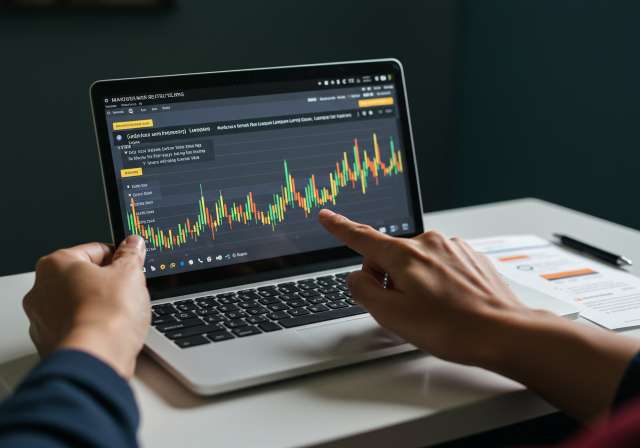
Intraday trading, also known as day trading, involves buying and selling stocks within the same trading day. The primary goal is to profit from small price movements, capitalizing on market volatility. Unlike traditional investing, where the focus is on long-term growth and holding assets for extended periods, intraday trading is about quick entries and exits, aiming to close all positions before the market closes at 3:30 PM IST.
In essence, traders using this strategy seek to exploit the fluctuations, sometimes minor, in the prices of stocks or other assets such as futures and options. The profit or loss is realized on the same day, eliminating overnight risk related to unexpected market events that may occur after trading hours.
Understanding the Mechanics: How Intraday Trading Works in India
To participate in intraday trading in India, you need a Demat and trading account with a SEBI-registered broker. Here’s a breakdown of the process:
- Account Setup: Choose a reputable broker offering intraday trading facilities. Ensure they provide a robust trading platform, real-time market data, and competitive brokerage rates. Many brokers in India offer online platforms that allow you to trade from anywhere with an internet connection.
- Margin Trading: Brokers typically offer margin trading facilities, allowing you to trade with more capital than you actually possess. This amplifies both potential profits and potential losses. It’s crucial to understand the margin requirements and risks involved.
- Stock Selection: Identify volatile stocks or assets that are likely to experience price fluctuations during the day. Look for stocks with high trading volumes and news catalysts.
- Technical Analysis: Employ technical analysis tools like charts, indicators, and patterns to identify potential entry and exit points. Common indicators include Moving Averages, RSI (Relative Strength Index), and MACD (Moving Average Convergence Divergence).
- Order Placement: Place buy and sell orders through your broker’s trading platform. Use limit orders to specify the price at which you want to buy or sell, or market orders to execute trades immediately at the current market price.
- Risk Management: Implement strict risk management strategies, including setting stop-loss orders to limit potential losses and taking profits when your targets are reached.
- Square Off: Close all open positions before the market closes to avoid overnight charges and potential overnight risk. Most brokers will automatically square off your positions if you fail to do so.
Strategies for Intraday Trading: Tools of the Trade
Successful intraday trading requires a well-defined strategy. Here are some popular strategies employed by Indian traders:
- Scalping: This involves making numerous small trades throughout the day, aiming to profit from tiny price movements. Scalpers rely heavily on speed and precision.
- Breakout Trading: Identifying stocks that are breaking out of a defined range or pattern and entering a trade in the direction of the breakout.
- Momentum Trading: Riding the momentum of a stock that is experiencing strong upward or downward movement.
- Reversal Trading: Identifying potential reversal points in a stock’s price trend and entering a trade in the opposite direction.
- News Trading: Capitalizing on price movements triggered by news announcements or economic data releases.
Technical Indicators: Your Guiding Lights
Technical indicators are mathematical calculations based on a stock’s price and volume data. They help traders identify potential trading opportunities and confirm their trading signals. Some commonly used indicators include:
- Moving Averages (MA): Used to smooth out price data and identify trends.
- Relative Strength Index (RSI): Measures the magnitude of recent price changes to evaluate overbought or oversold conditions.
- Moving Average Convergence Divergence (MACD): A trend-following momentum indicator that shows the relationship between two moving averages of a stock’s price.
- Bollinger Bands: Measures the volatility of a stock’s price and identifies potential breakout or breakdown points.
- Fibonacci Retracements: Used to identify potential support and resistance levels based on Fibonacci ratios.
Risk Management: Protecting Your Capital
Risk management is paramount in intraday trading. The inherent leverage and volatility can lead to substantial losses if not managed effectively. Here are some essential risk management techniques:
- Stop-Loss Orders: Setting a stop-loss order is crucial to limit potential losses. This order automatically closes your position if the price moves against you to a pre-determined level.
- Position Sizing: Determine the appropriate position size based on your risk tolerance and account size. Avoid risking more than a small percentage of your capital on any single trade (e.g., 1-2%).
- Risk-Reward Ratio: Aim for a favorable risk-reward ratio. For example, if you are risking ₹1 to potentially earn ₹2, you have a 1:2 risk-reward ratio.
- Avoid Overtrading: Resist the urge to trade excessively. Stick to your trading plan and only enter trades that meet your criteria.
- Emotional Control: Maintain emotional discipline and avoid making impulsive decisions based on fear or greed.
Tools and Resources for Intraday Traders in India
A successful intraday trader relies on a variety of tools and resources to stay informed and make informed trading decisions:
- Real-Time Market Data: Access to real-time market data, including price quotes, charts, and order books, is essential.
- Trading Platform: Choose a robust and user-friendly trading platform that provides charting tools, order entry facilities, and real-time market data.
- News and Analysis: Stay updated on market news, economic data releases, and company-specific news.
- Technical Analysis Software: Utilize technical analysis software to analyze charts, identify patterns, and generate trading signals.
- Educational Resources: Continuously learn and improve your trading skills through books, online courses, and webinars.
- Brokerage Services: Choose a broker wisely, considering factors such as brokerage fees, margin availability, and research tools.
Taxation on Intraday Trading Profits in India
Profits from intraday trading are considered speculative business income and are taxed according to your income tax slab. It is essential to maintain accurate records of your trades and consult with a tax advisor to ensure compliance with tax regulations. Expenses related to your trading activities, such as brokerage fees and internet charges, can be claimed as deductions.
The Psychological Aspect of Intraday Trading
Intraday trading is not just about technical analysis and strategies; it also requires a strong psychological mindset. The rapid fluctuations and pressure of making quick decisions can be emotionally challenging. Successful traders possess the following qualities:
- Discipline: Sticking to your trading plan and avoiding impulsive decisions.
- Patience: Waiting for the right opportunities and avoiding overtrading.
- Emotional Control: Managing your emotions and avoiding fear and greed.
- Risk Tolerance: Understanding your risk tolerance and trading accordingly.
- Adaptability: Being able to adapt to changing market conditions.
Conclusion: Is Intraday Trading Right for You?
Intraday trading offers the potential for quick profits, but it also involves significant risks. It requires a deep understanding of the market, a well-defined trading strategy, robust risk management skills, and a strong psychological mindset. Before venturing into intraday trading, carefully assess your risk tolerance, financial resources, and time commitment. Consider starting with small amounts of capital and gradually increasing your exposure as you gain experience. Remember that intraday trading is not a get-rich-quick scheme, and it requires dedication, discipline, and continuous learning. Consider consulting with a financial advisor to determine if intraday trading aligns with your overall investment goals.